
A leading organizational theorist takes us deep into the realm of humanity's most powerful invisible force — social status — and how it shapes everything from who we trust to what we value to which ideas and innovations change the world and who gets credit for their success. With compelling examples from economics, fashion, art, and beyond, Stuart shows how social status creates winners and losers in our world.
- You've noticed how status silently shapes who gets attention and credit
- You're interested in the halo effect and invisible social forces
- You liked The Laws of Human Nature or The Righteous Mind
- You want to understand why winner-take-all dynamics keep accelerating
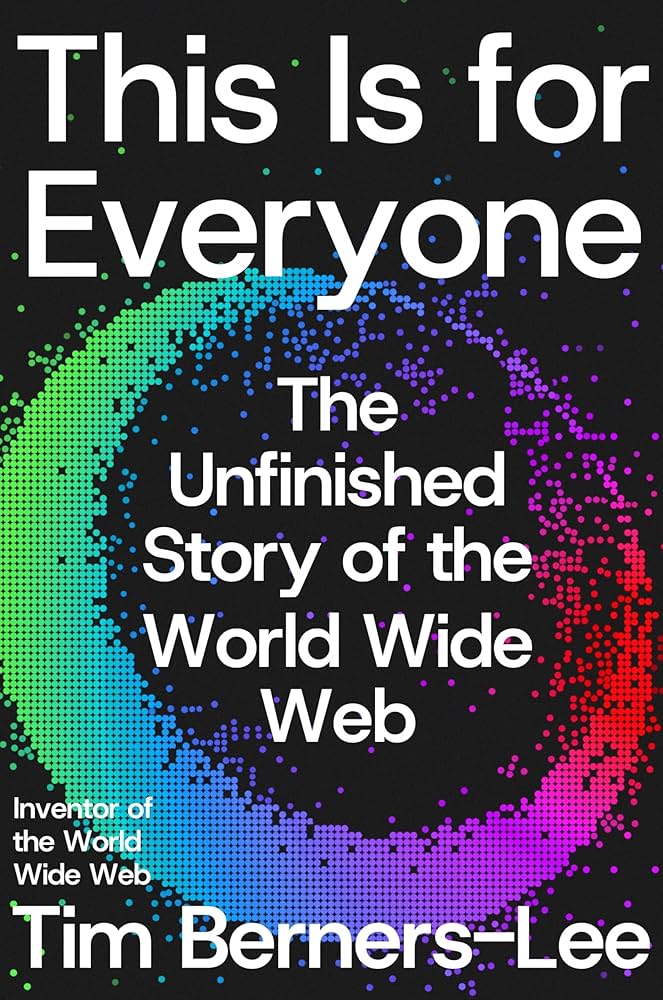
A memoir from the creator of the World Wide Web. Born in the same year as Steve Jobs and Bill Gates, Tim Berners-Lee famously distributed his invention for no commercial reward at all. Its widespread adoption changed everything, transforming humanity into the first digital species. The book promises to be an intimate memoir about how his inventions spread creativity and collaboration — while also imperiling truth and privacy in many ways.
- You want to understand how the internet actually came to be
- You're interested in the people behind the foundational protocols of digital life
- You liked Steve Jobs, The Shallows, or Futureproof
- You want a tech memoir with humor and humanity
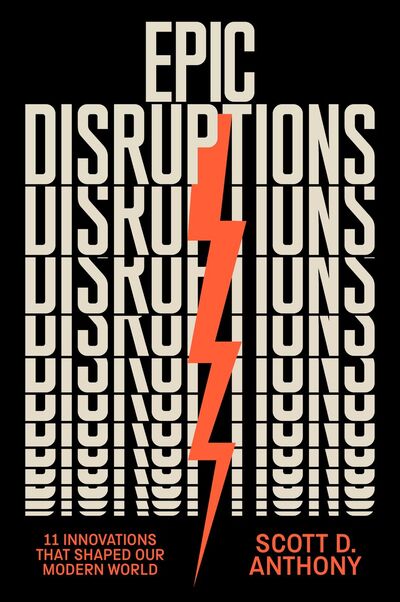
A skeptical look at how eleven destructive innovations — including the iPhone, the transistor, disposable diapers, and Julia Child's The Art of French Cooking — reshaped industries and societies, propelling humanity toward new frontiers. From gunpowder to generative AI, Anthony weaves together the fascinating stories behind the world's most transformative disruptions.
- You want to understand the patterns behind world-changing breakthroughs
- You're interested in how disruption actually works — not just the buzzword
- You liked Energy and Civilization, The Structure of Scientific Revolutions, or Zero to One
- You want historical context for the AI disruption happening right now
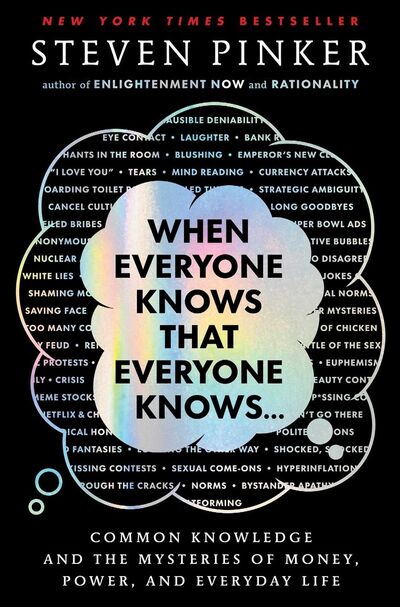
Steven Pinker explains how we think about each other's thoughts about each other's thoughts — ad infinitum. It sounds impossible, but he shows that we do it all the time. This awareness, which we experience as "the public" or "out there," is called common knowledge, and it has a momentous impact on our social, political, and economic lives. Pinker shows how the hidden logic of common knowledge can make sense of financial bubbles, revolutions that come out of nowhere, why people hoard toilet paper, and why nervous lovers can't say goodbye at the end of a phone call.
- You want to understand the hidden logic behind collective behavior
- You're fascinated by financial bubbles, panics, and crowd psychology
- You liked The Righteous Mind, The Black Swan, or The Selfish Gene
- You want Pinker at his most playful and puzzle-solving