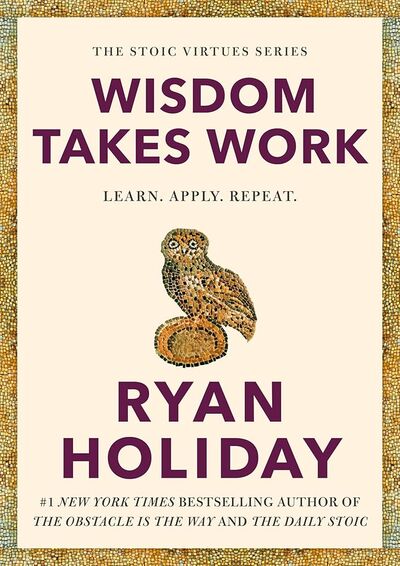
The final book in Ryan Holiday's Stoic Virtues series — covering courage, discipline, justice, and now wisdom. Drawing on stories of ancient and modern figures alike — Marcus Aurelius, Seneca, Abraham Lincoln — Holiday shows how to cultivate wisdom through reading, self-education, and experience. He teaches us to listen more than we speak, to think with nuance, to ruthlessly question our own beliefs, and to develop a method of self-education.
- You've been following Holiday's Stoic Virtues series and want the finale
- You believe in self-education through reading (you're here, so yes)
- You liked Discipline Is Destiny, Ego Is the Enemy, or Stillness Is the Key
- You want practical Stoic philosophy, not academic Stoicism

The inside story of AI's exponential rise told through firsthand accounts of the engineers, founders, and philosophers who made it happen. Patel, known for his deep-dive interviews, captures the energy, the chaos, and the breakthroughs that turned AI from a lab curiosity to a world-altering force. Published by Stripe Press. 248 pages.
- You want the AI revolution told by the people who built it
- You enjoy oral histories and interview-driven narratives
- You liked The Coming Wave or Scary Smart
- You want to understand what happened between GPT-2 and now
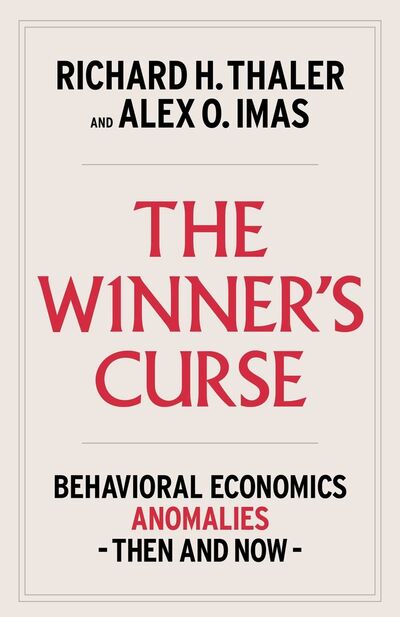
The Nobel Prize–winning father of behavioral economics revisits his classic concepts in the light of today's algorithmic markets. Thaler and Imas explore how AI systems exploit the same cognitive biases that once plagued humans — but now at a planetary scale. Named one of the Financial Times's Best Books of 2025.
- You want to see behavioral economics updated for the age of algorithms
- You liked Thinking, Fast and Slow, Nudge, or The Psychology of Money
- You're curious how AI exploits the same biases that trip up humans
- You want a Nobel laureate's take on markets and machines
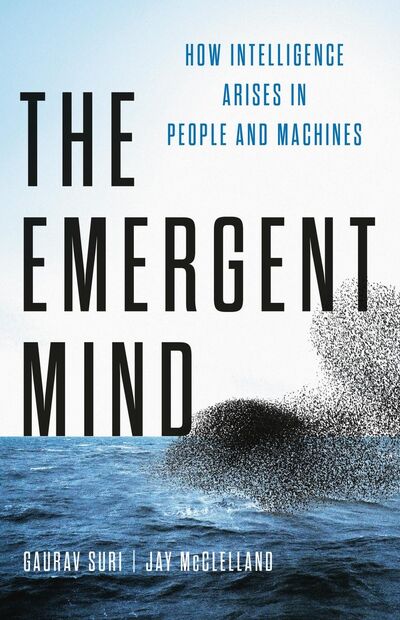
A sweeping synthesis of neuroscience, psychology, and AI research that asks the fundamental question: how does intelligence emerge? The authors claim that the same processes that create human thought apply to the world of machines. A book that stretches your brain in all directions.
- You want to understand the parallels between human and artificial intelligence
- You liked The Beginning of Infinity, Superintelligence, or Behave
- You're curious whether machine intelligence is fundamentally different from ours
- You want neuroscience and AI research woven together
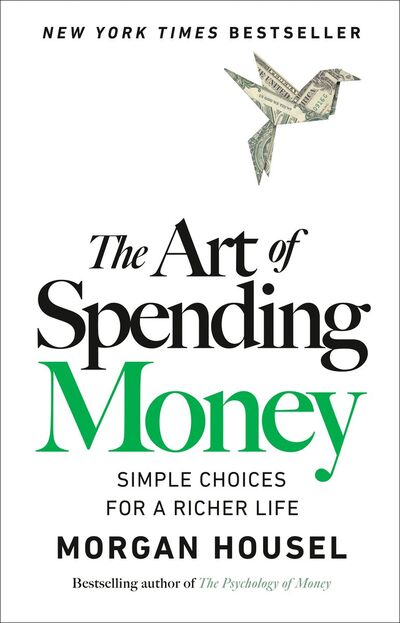
From the author of The Psychology of Money comes a powerful companion volume on the why behind how we spend. Housel argues that money isn't just a number — it's emotion, identity, a story. Through sharp storytelling and behavioral insights, he reveals how our values, not our income, determine whether we feel rich or poor. This book isn't about getting rich — it's about getting the most out of what you have.
- You liked The Psychology of Money or Same as Ever
- You want to understand why you spend the way you do
- You're interested in the emotional side of money, not just the math
- You want behavioral finance that reads like storytelling