Zero to One
The future won't build itself — and copying what already works isn't building.
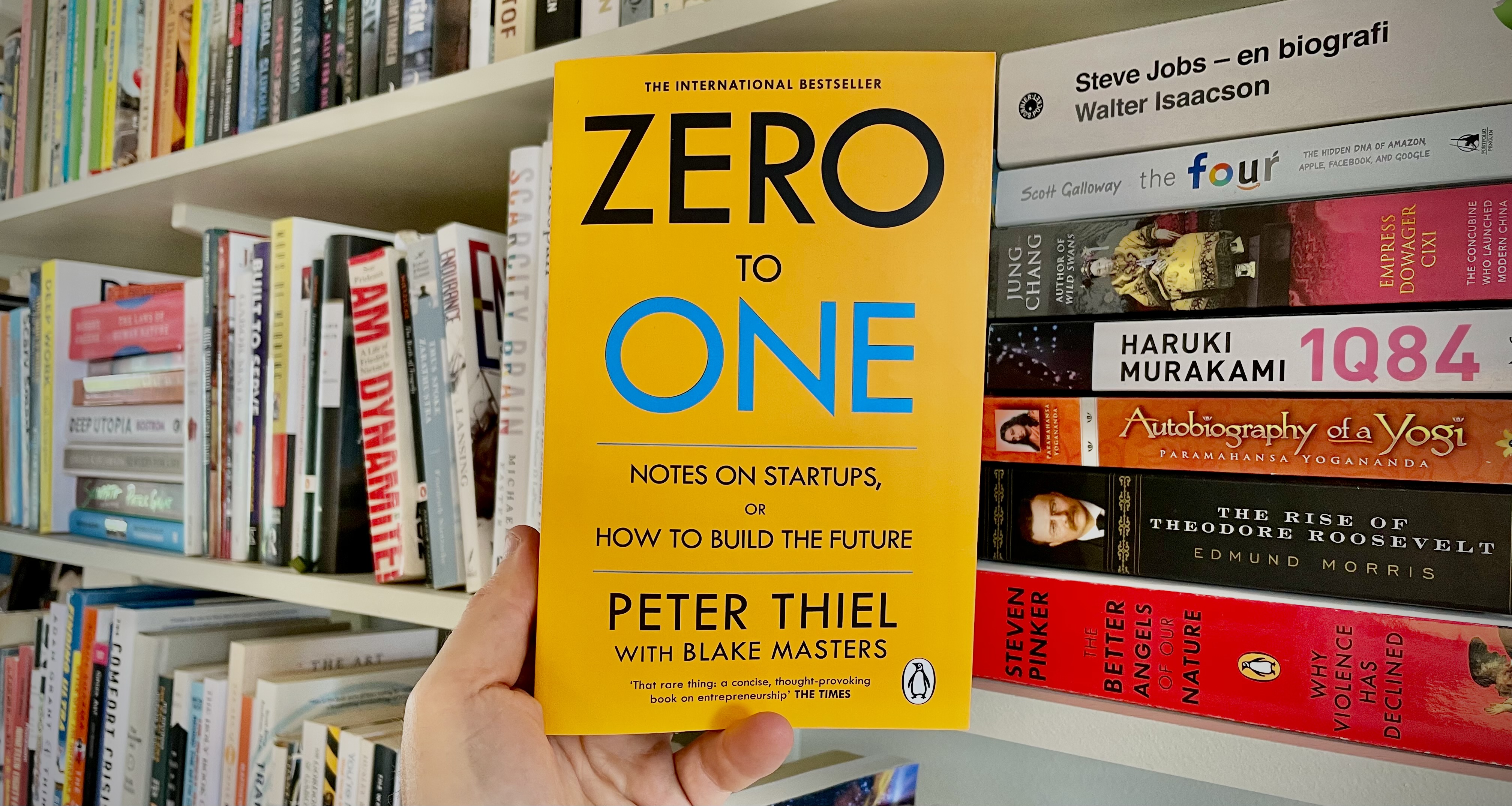
From Zero to Something That Never Existed
Peter Thiel draws a sharp line between two kinds of progress. Going from one to n — copying what already works, incrementally improving, building yet another food delivery app — and going from zero to one — creating something genuinely new. The first telephone. The internet. Bitcoin. The reusable rocket. These are zero-to-one moments: singular acts of creation that produce something fresh and strange.
"The act of creation is singular, as is the moment of creation, and the result is fresh and strange."
The next Bill Gates won't build an operating system. The next Larry Page won't create a search engine. As Thiel puts it: "If you're copying these guys, then you didn't learn from them." The book is about how to create new companies that build new things — not better copies of old things.
The Contrarian Question
One of the most powerful ideas in the book is an interview question Thiel likes to ask: "What important truth do very few people agree with you on?"
A good answer takes the form: Most people believe in X, but the truth is the opposite. It sounds simple, but it's deceptively hard. You might think you have a contrarian view — maybe you believe in American exceptionalism or that God is truth — but are these really contrarian? A lot of people agree with you. The real question is: what do you know is true that almost nobody believes? It's a question worth sitting with.
First Principles Over Formulas
The ingredient that allows humans to go from zero to one is technology. Thiel calls it miraculous — it lets us do more with less. But technology alone isn't enough. You need to think differently about it.
"The single most powerful pattern I've noticed is that the most successful people find value in unexpected places, and they do this by thinking about business from first principles instead of formulas."
This is the thread that runs through the whole book: stop following playbooks. Reason from the ground up.
Four Ways of Seeing the Future
Thiel lays out four mindsets about the future, and this framework alone is worth the price of the book:
Indefinite pessimism: The future is bleak and we can't do much about it. This leads to passivity and short-term thinking.
Definite pessimism: The future is bleak but predictable. We plan for decline — demographic collapse, climate catastrophe — and prepare accordingly.
Indefinite optimism: The future will be better, but we don't know how. This leads to randomness, diversification without conviction, lottery-ticket thinking.
Definite optimism: The future will be better and we can build it. This is the mindset of founders, builders, and innovators. This is where zero-to-one thinking lives.
📺 Video Review
💡 Key Takeaway
Real progress doesn't come from doing more of what works — it comes from creating something that never existed. The future belongs to definite optimists who build with conviction, not those who diversify their bets and hope for the best.
⚖️ Verdict
I expected this book to be outdated. It was written over a decade ago about startups — how relevant could it still be? But I was wrong. The direct, no-filler writing style grabbed me. The questions Thiel poses — especially the contrarian question — still linger months later. I think about this book every week. It's not just relevant; it's essential, especially now as we enter an era where things are going to get very weird very fast. It earned its spot on my Great Books List, and not many books do that.