
From the Pulitzer Prize-winning author of Lords of Finance — the story of the first truly global financial crisis. In 1873, a railroad bond bubble crashed the Vienna stock market. Within months, Wall Street followed. The Bank of England was forced to raise interest rates to their highest level in a century. Dozens of railroads and governments defaulted. The crash killed Reconstruction in the USA, triggered the slow collapse of the Ottoman Empire, and sparked decades of populist backlash and antisemitism across Europe. The Rothschilds, who actually kept a low profile during the bubble, got scapegoated.
- You see parallels between historical financial bubbles and today's AI boom
- You loved Lords of Finance, Same as Ever, or The Bitcoin Standard
- You're interested in how financial crises reshape the world order

An Oxford research fellow and Ig Nobel Prize winner takes a deep look at the science behind the longevity hype — and what he finds is hilarious and disturbing. Blue Zones? Those magical places where people live to 100? Debunked. Many of the world's oldest people turned out to be dead — at least on paper. Pension fraud, birth certificate errors, and sloppy recordkeeping have inflated the data for decades. The anti-aging industry is built on a foundation of wishful thinking, billionaire money, and outright fraud.
- You're skeptical of the longevity hype and want the data
- You enjoyed contrarian science books like Bad Science or Mary Roach's work
- You want to laugh while learning something disturbing about health science

Before the internet, before the radio, before the telephone — someone had to physically drag a cable across the Atlantic Ocean. This is the story of Cyrus Field's obsessive quest to lay the first transatlantic telegraph cable. It was the moonshot of the 19th century. Cables kept snapping, ships sank, investors pulled out, Field went broke and came back. It took years of disasters, rivalries, and visionary stubbornness before the cable finally worked. And when it did, it created the first global communication network and started the information age.
- You love stories of obsessive visionaries against impossible odds
- You enjoyed Energy and Civilization or The Beginning of Infinity
- You want to understand how today's connected world actually began

Humanity doesn't have a monopoly on civilization. This book takes you on a global tour of animal societies that are far more complex than we ever give them credit for. Canadian beaver belt, ant armies that wage war across continents, sub-Saharan tunnel complexes, underwater metropolises. Part illustrated, part story — entirely perspective-changing.
- You're curious about consciousness, complexity, and what makes humans unique
- You want a lighter but perspective-shifting read
- You enjoy beautifully illustrated nonfiction

Luke Burgis wrote one of many people's favorite books of recent years — Wanting: The Power of Mimetic Desire in Everyday Life. Now he's back going deeper into the question his first book opened up: How do you form an authentic identity when everything around you is designed to make you imitate other people? This is about the crisis of identity in the age of social media. Not just about polarization, but something deeper. We are living in a time of social contagion where desires, beliefs, even identities spread like viruses through networks. Burgis builds on René Girard's mimetic theory to explore how tribes form, how belonging becomes a trap, and how to break free toward something more genuine.
- You loved Wanting and want to go deeper into mimetic theory
- You're interested in identity, tribalism, and social contagion
- You enjoy Haidt's work on moral psychology and cultural fragmentation

Today's culture wars started with a single photograph in 1988. Isaac Butler, author of the acclaimed The Method, traces the modern culture wars back to a specific event: Pat Buchanan stirring moral panic over Robert Mapplethorpe's photographs. What started as an argument about art funding became the template for every culture war battle since. This is origin-story nonfiction at its best. Understanding where something began helps you understand what it actually is. Butler is provocative without being partisan — he's not telling you which side to pick, he's showing you how the game is set up.
- You want to understand the origin of today's culture wars
- You enjoy origin-story nonfiction that explains how we got here
- You liked The Coddling of the American Mind and want the historical backstory
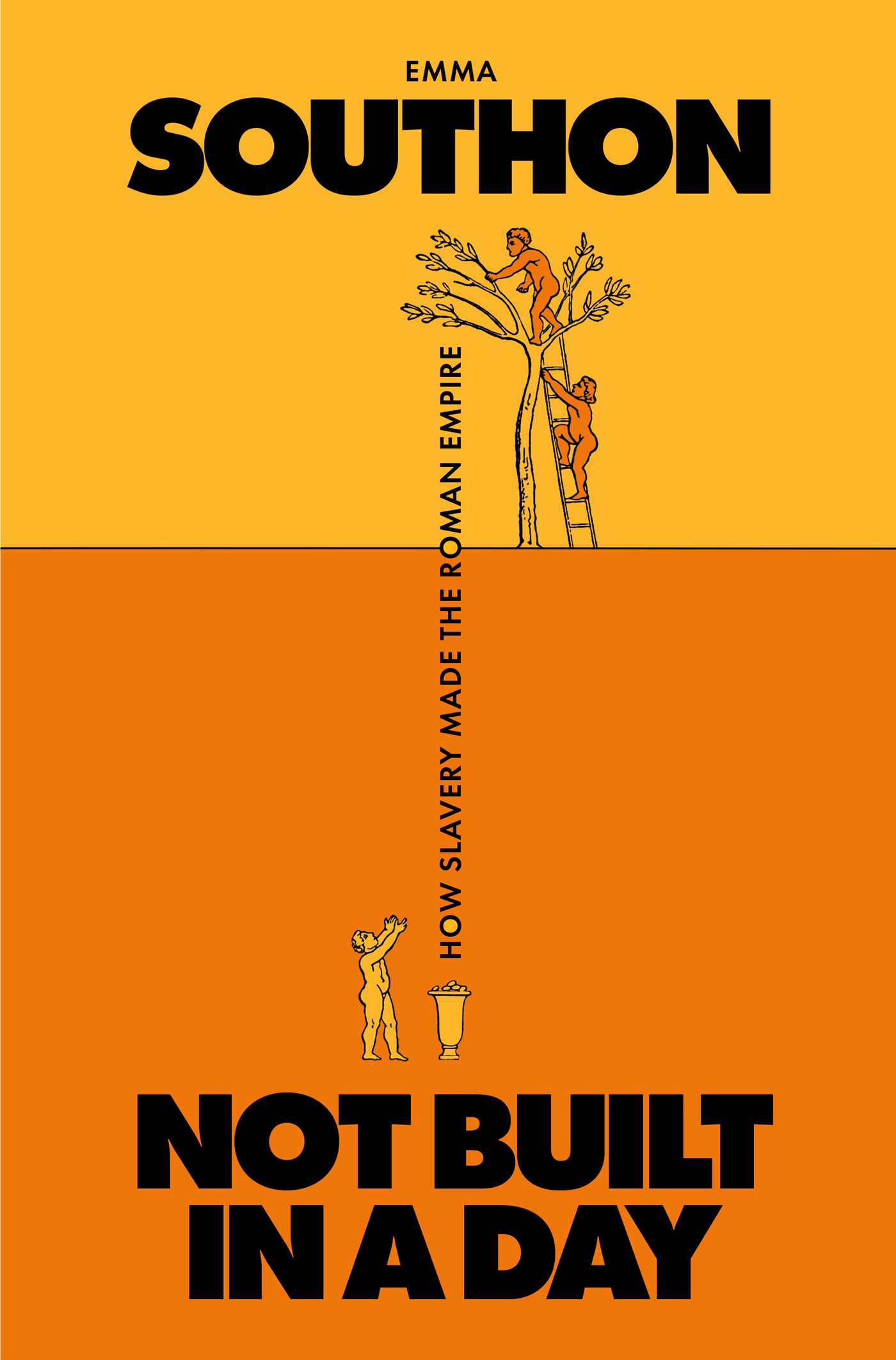
When Julius Caesar conquered Gaul, he bragged about killing a million people and enslaving a million more. This wasn't a side effect of the empire — this was the business model. Without millions of enslaved people, there'd be no Colosseum, no aqueducts, no marble palaces, no underfloor heating. Rome's 1% didn't even tie their own shoelaces. Emma Southon, a Roman historian known for her sharp, accessible style, digs into the invisible labor force that built civilization's most celebrated empire — from the mines and wheat fields to gladiator arenas and bureaucracies. She traces how people entered slavery, survived it, resisted it, and sometimes escaped it.
- You're thinking about what humanoid robots and AI labor mean for society
- You want a sharp, accessible deep-dive into Roman history
- You believe understanding the past is the best way to prepare for the future
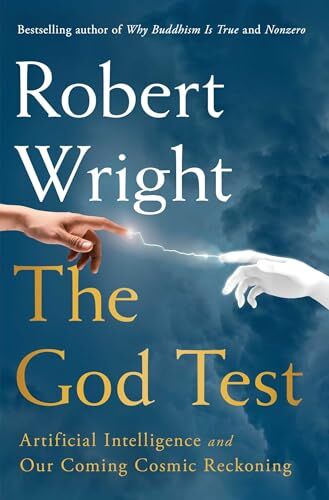
From Pulitzer Prize finalist Robert Wright — author of The Moral Animal, Nonzero, The Evolution of God, and Why Buddhism Is True — comes a sweeping argument that AI isn't just a technological tool. It's an evolutionary force, on par with the emergence of life itself, and it will pose the deepest political and spiritual challenges our species has ever faced. Wright pulls the lens back billions of years, arguing that evolution has been pushing life toward this exact threshold — and that our response to it may determine whether we make it through.
- You want a serious, non-hype take on AI as a civilizational event
- You've read The Moral Animal, Nonzero, or Why Buddhism Is True and want more from Wright
- You enjoyed Sapiens, Homo Deus, or The Coming Wave