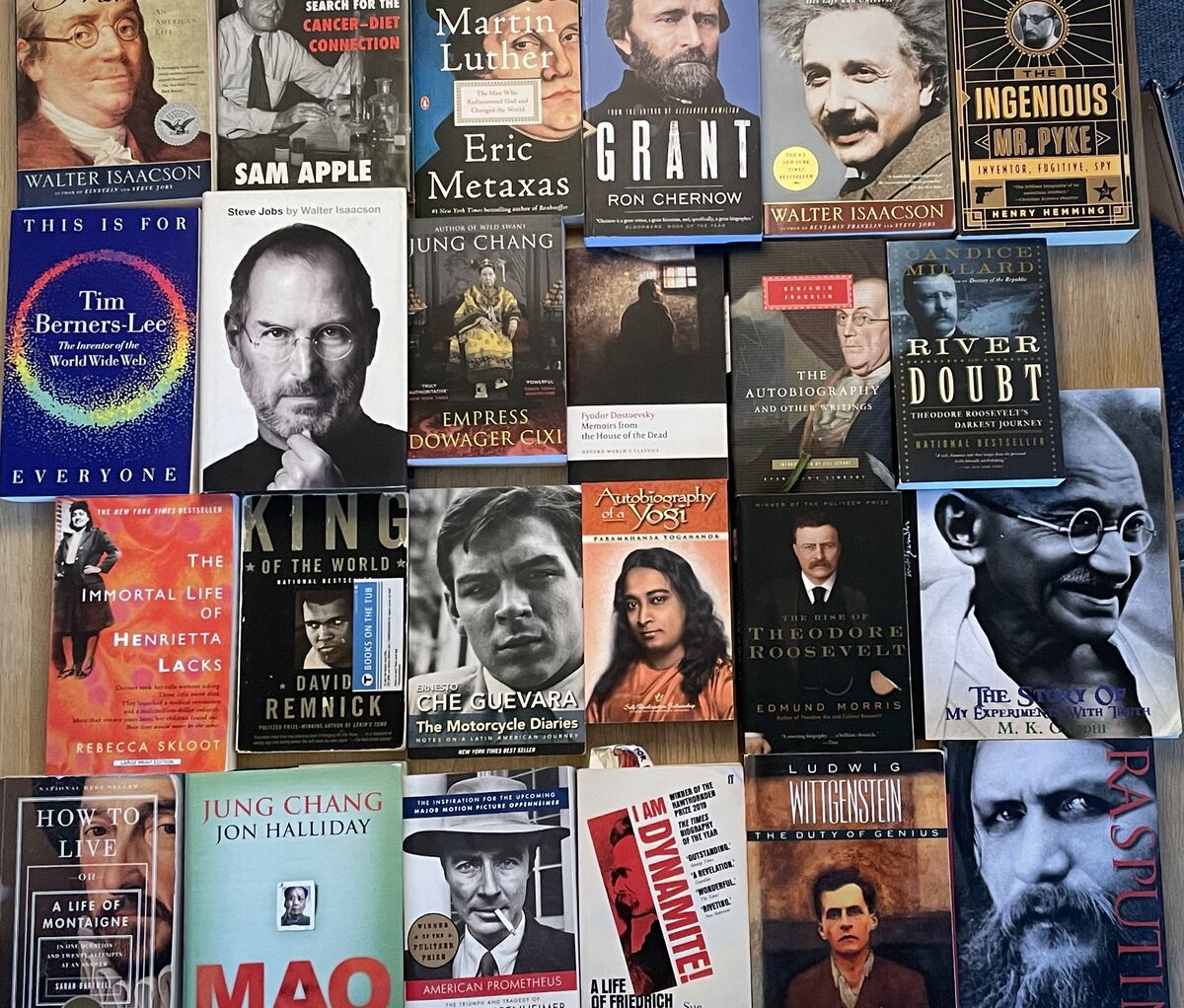
There's something about a great biography that no other genre can touch. You get to live inside someone else's life — their failures, their obsessions, the moments where everything almost fell apart. These are the 16 biographies that stuck with me after reading 400+ nonfiction books.
A great biography doesn't just tell you what someone did. It shows you how they thought, what they were afraid of, and what drove them to keep going when everyone else would have quit.
I've read over 400 nonfiction books in the last 11 years, and biographies are the genre I keep coming back to. These are the ones I still think about months or years after finishing them.
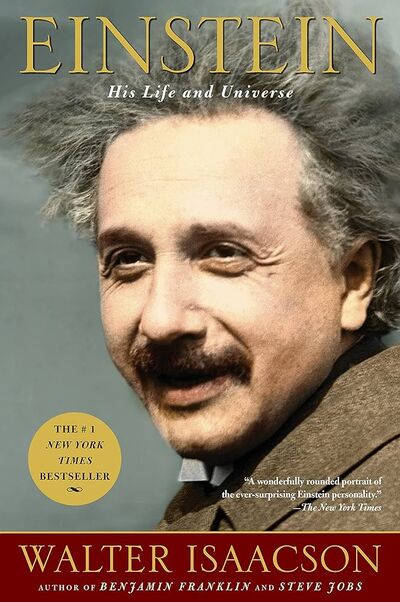
Most biographies have one or more parts — even the really good ones — where you lose interest because you can't connect with certain aspects of that person's life. Einstein didn't have that, even though it's a brick of a book. It's phenomenal from start to finish. Isaacson brings Einstein to life not just as a physicist but as a deeply human, flawed, and fascinating person.
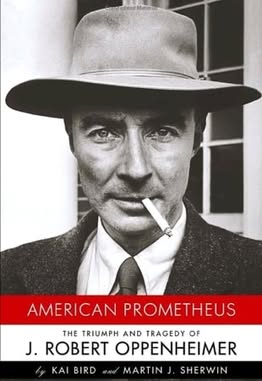
The biography behind Nolan's Oppenheimer — and somehow even more gripping than the film. Twenty-five years in the making, this Pulitzer Prize winner traces Oppenheimer from brilliant young physicist to the father of the atomic bomb to his devastating fall from grace. A story about genius, power, and the impossible weight of moral consequence.
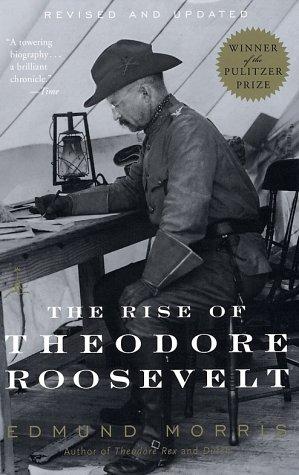
The story of how a sickly, asthmatic boy transformed himself through sheer willpower into one of America's most dynamic presidents. Morris writes with such energy that you feel like you're living alongside Roosevelt. A masterclass in biography writing.
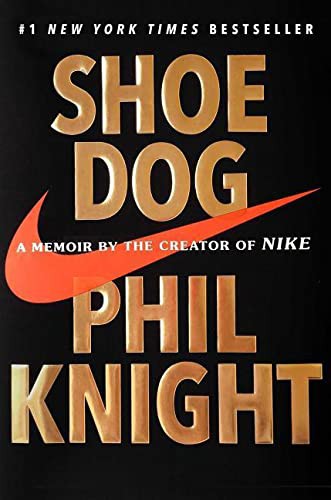
The Nike founder's memoir — raw, honest, and impossible to put down. Knight doesn't write like a billionaire looking back with nostalgia. He writes like a guy who still can't believe any of it worked. The early years of Nike were chaotic, broke, and one bad quarter away from collapse. That vulnerability is what makes it great.
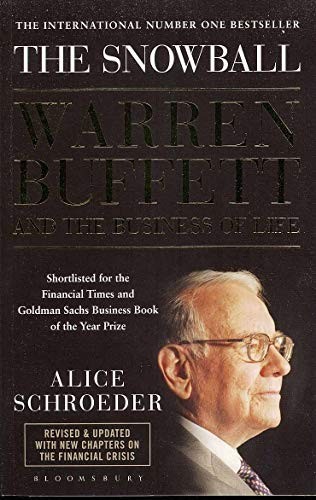
The definitive Buffett biography. It goes far beyond investing — you get the full picture of who Buffett is as a person, his relationships, his obsessive focus, and the compounding philosophy that shaped not just his wealth but his entire worldview.
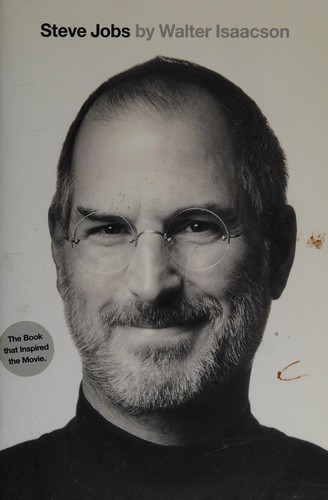
Based on more than forty interviews with Jobs over two years, this is the definitive portrait of a man who was equal parts visionary and tyrant. You'll love him, hate him, and understand him — often in the same chapter. An unflinching look at what it takes to bend reality to your will.
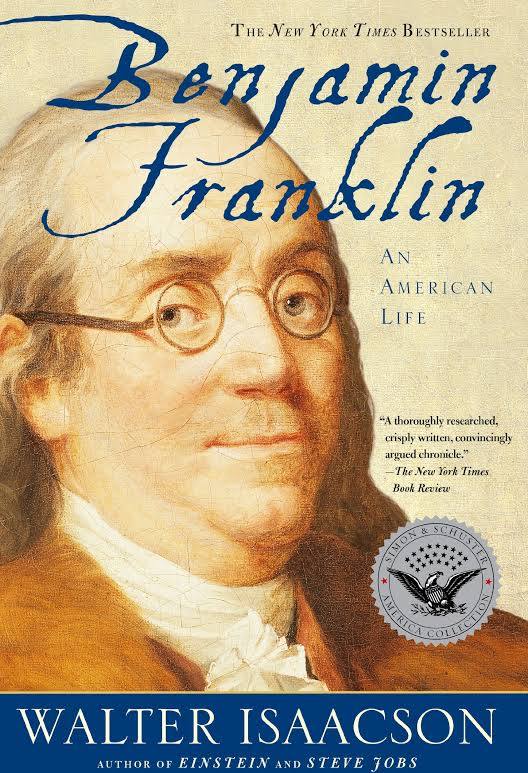
Franklin was a printer, scientist, diplomat, inventor, and one of the most versatile minds in history. This biography captures his relentless curiosity and practical wisdom — qualities that feel remarkably relevant today.
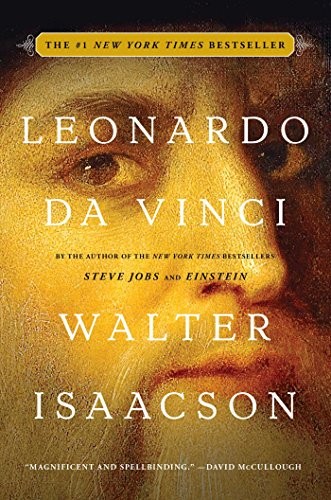
Isaacson's fourth entry on this list — and yes, there's a pattern. The man writes biographies better than almost anyone alive. This time it's Leonardo — the painter, inventor, anatomist, engineer, and ultimate embodiment of curiosity as a way of life. Isaacson built this biography from Leonardo's 7,200 pages of surviving notebooks, and what emerges is a portrait of a mind that refused to stop asking questions about everything.
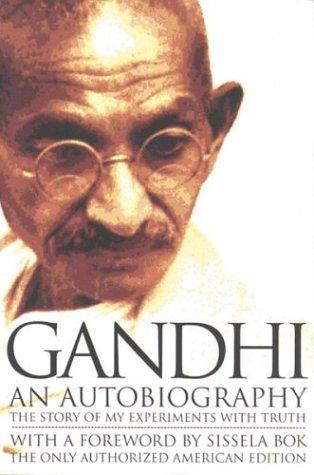
Gandhi's own account of his life — from his shy childhood and struggles as a young lawyer in South Africa to leading a nation to independence. What makes this autobiography remarkable is its brutal honesty. Gandhi doesn't present himself as a saint; he shows every doubt, failure, and moral wrestling match along the way. A rare window into a man trying to live by his principles in real time.
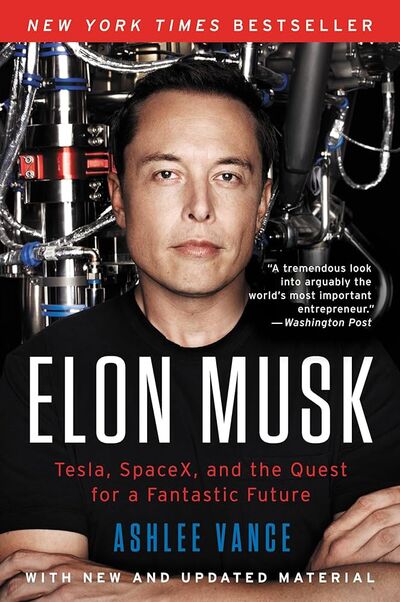
The original Musk biography — written before Tesla was profitable, before SpaceX landed rockets, before Twitter, and before xAI. Vance got closer to Musk than almost any journalist has, and the portrait is fascinating: a man driven by an almost pathological need to solve civilization-scale problems, regardless of the human cost. Reading it now, knowing everything that's happened since, makes it even more compelling.
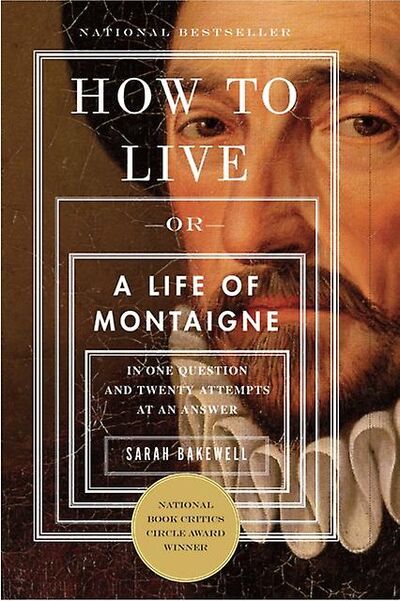
Not a traditional biography — more of a philosophical portrait. Bakewell structures the book around twenty attempts to answer the question Montaigne spent his life asking: how should you live? Each chapter is a different answer, drawn from his essays and his life. It's part biography, part philosophy, and entirely original.
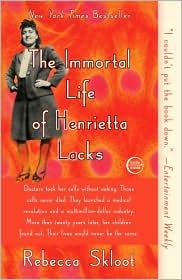
Henrietta Lacks was a Black tobacco farmer whose cancer cells were taken without her knowledge in 1951. Those cells — called HeLa — became one of the most important tools in medical history, used to develop the polio vaccine, advance cancer research, and launch an entire industry. Henrietta's family didn't know for decades. Skloot tells both stories — the science and the family — with equal care.
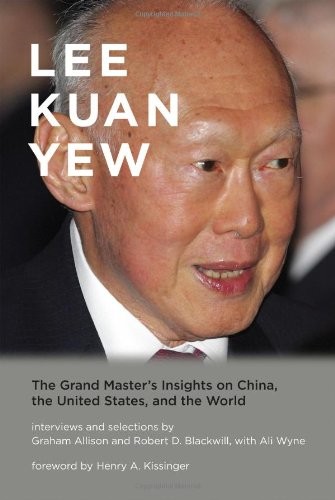
Not a traditional biography but something rarer — a distillation of how one of the most effective leaders of the 20th century actually thinks. Lee Kuan Yew took Singapore from a third-world port to a first-world nation in one generation. This book compiles his views on China, the United States, geopolitics, democracy, and leadership into something closer to a strategic manual than a life story.
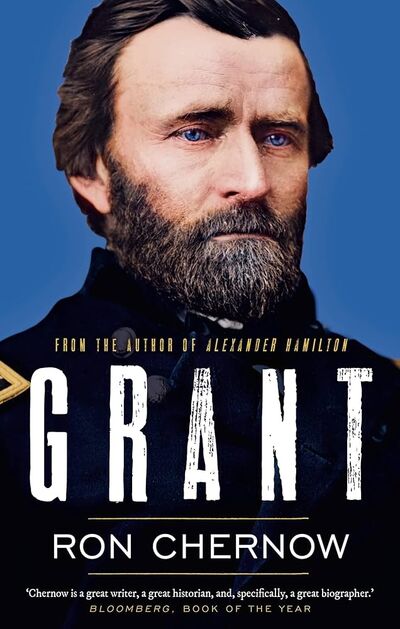
The biography that inspired the Hamilton writer to take on another misunderstood American figure. Chernow rescues Ulysses S. Grant from decades of unfair historical reputation — the "drunk" and "butcher" labels — and reveals a man of deep moral conviction who won the Civil War and fought harder for Black civil rights during Reconstruction than almost any president before or since. A massive, meticulously researched book.
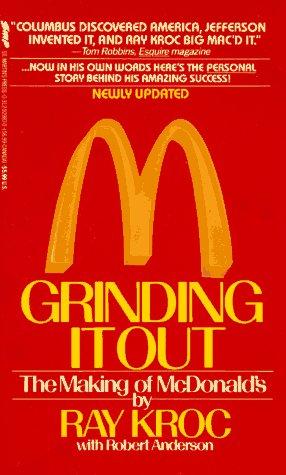
Ray Kroc was 52 years old and selling milkshake machines when he walked into a hamburger stand in San Bernardino and saw the future. This is his story of taking the McDonald brothers' concept and turning it into the most successful fast food operation on Earth. It's blunt, self-serving in places, and completely unapologetic — which is exactly what makes it fascinating.
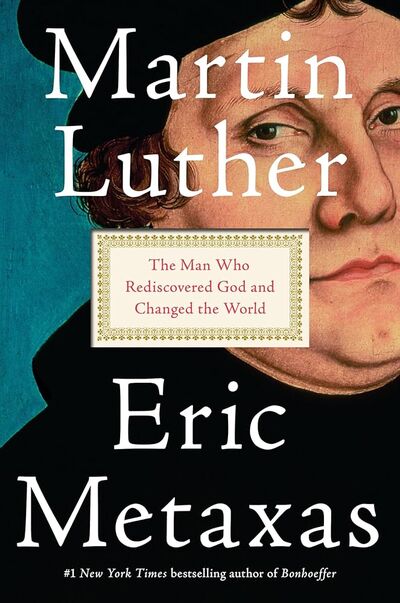
A German monk nails a list of complaints to a church door — and accidentally triggers one of the biggest disruptions in human history. Metaxas captures Luther not as a dusty historical figure but as a volatile, brilliant, deeply flawed man who took on the most powerful institution on Earth and won. The Reformation reshaped religion, politics, culture, and the relationship between individuals and authority in ways we're still living with today.
Biographies let you live multiple lives in one. You get to see how extraordinary people handled failure, made decisions under pressure, and built something lasting. It's the closest thing to having a mentor across time.
After reading hundreds of them, I can tell you: the best biographies don't just inform you — they change you.
📬 Subscribe to the Newsletter →
Last updated: June 9, 2026