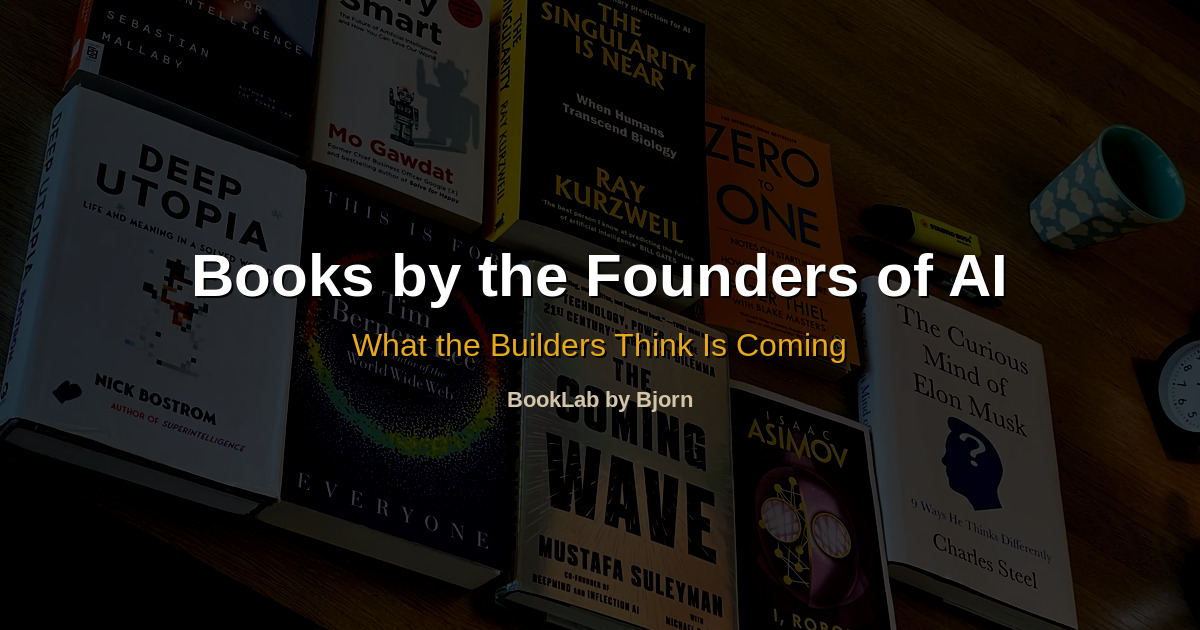
Books by the Founders of AI
What do the people actually building the most powerful technology in human history think about what they're creating? Are they excited? Terrified? Both? I read their books to find out.
What do the people actually building the most powerful technology in human history think about what they're creating? Are they excited? Terrified? Both? I read their books to find out.
I spent the last year reading the books written by — and about — the founders, architects, and philosophers of artificial intelligence. Not the business consultants. Not the thought leaders on LinkedIn. The actual builders — the people with their hands on the levers.
These are the books that changed how I think about AI. Some of them scared me. Some of them inspired me. A few did both at the same time.
Books written by or about the people who are designing, funding, and deploying AI systems right now.
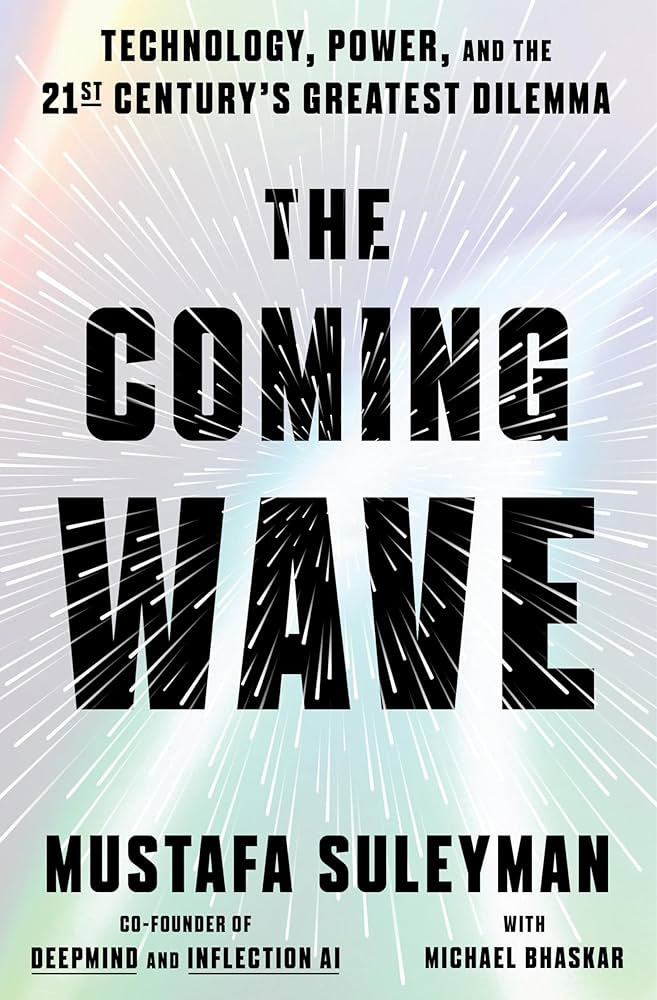
The co-founder of DeepMind and current CEO of Microsoft AI writes the playbook for what's coming — and why we're not ready. Suleyman doesn't sugarcoat it. He helped build the technology, and now he's warning us about the wave that's about to hit: AI and synthetic biology, advancing simultaneously, with no off switch. His proposed solution — "containment" — is both practical and unsettling, because even he admits it might not work.
This is the most important AI book I've read. Not because it has all the answers — but because the person writing it actually knows what the technology can do.
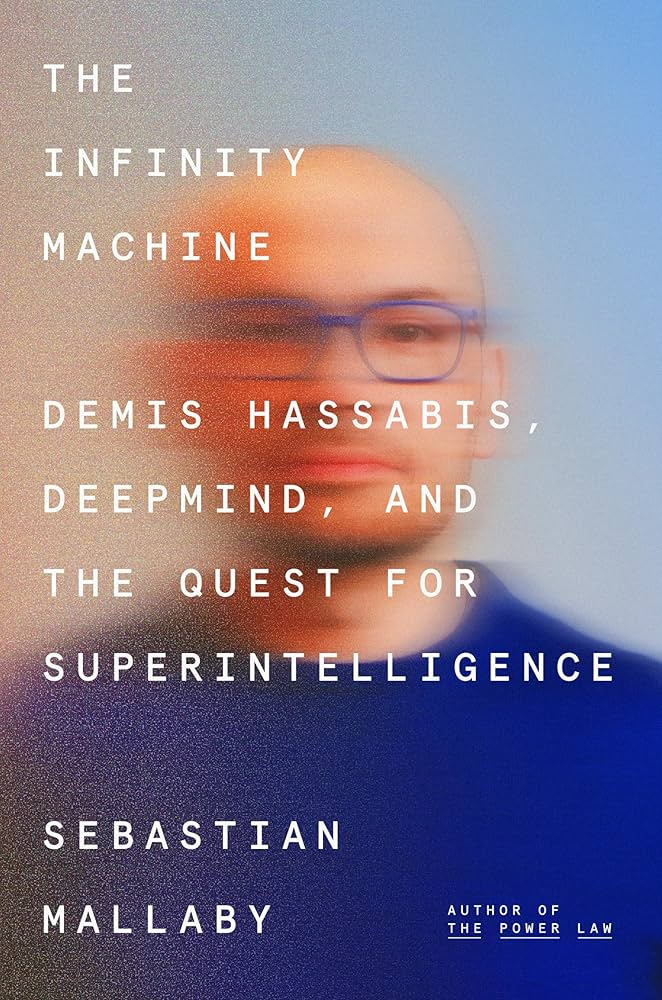
The definitive story of Demis Hassabis — the chess prodigy, game designer, and neuroscientist who founded DeepMind and built the AI systems that beat Go, solved protein folding, and put Google at the center of the AI race. Mallaby traces Hassabis's journey from a North London childhood to the most important AI lab on Earth.
One of my favorite books this year. Hassabis is the most fascinating figure in AI — a person who genuinely believes he can build artificial general intelligence, and has the track record to back it up. The story holds up from start to finish.
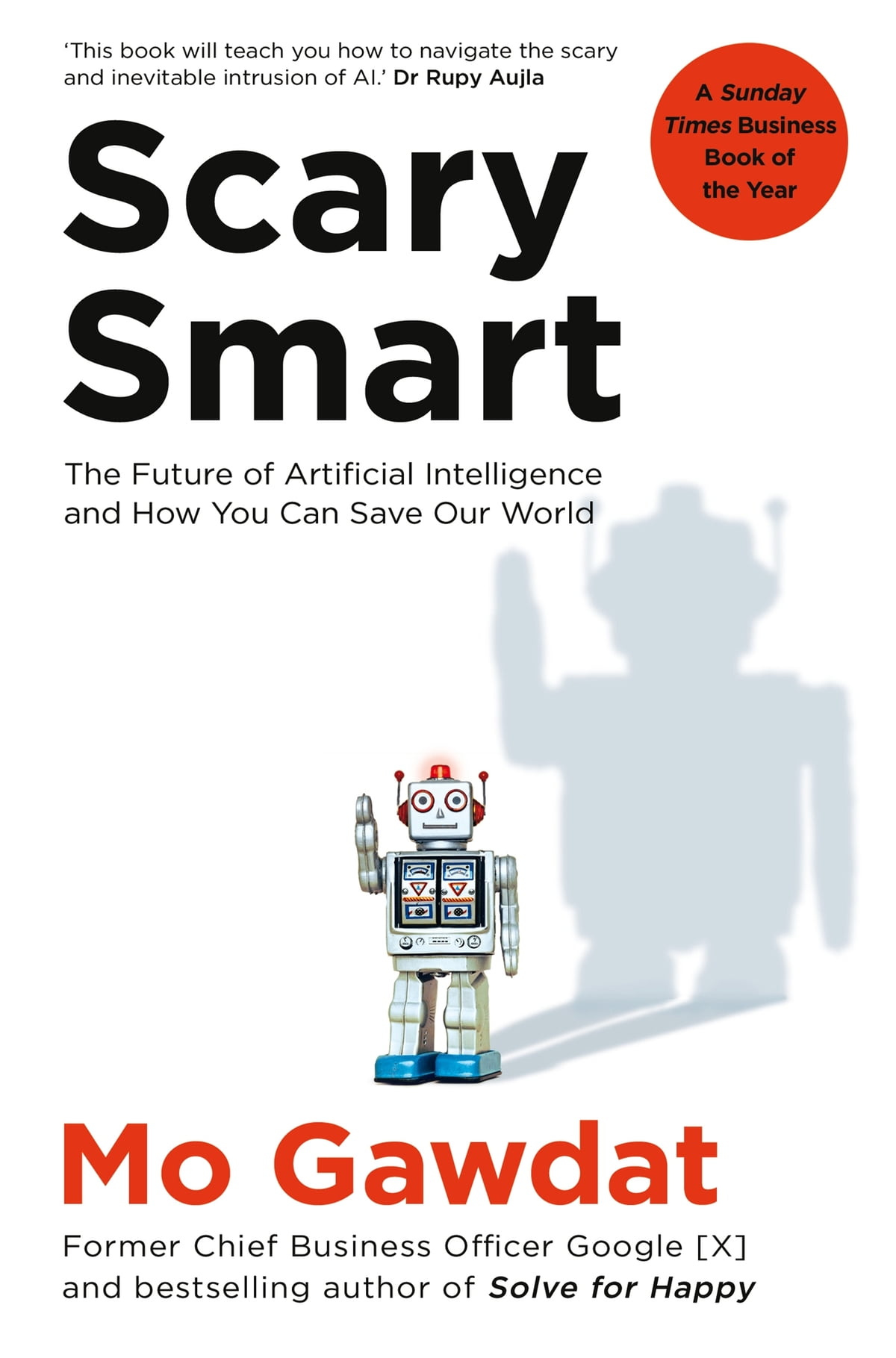
Mo Gawdat was the Chief Business Officer at Google X — the moonshot factory. He watched AI development from the inside, and it terrified him. Not because the machines are evil — but because they're learning from us. And we're not exactly a great example. Gawdat's argument is simple: AI will be smarter than every human alive within our lifetime. The only question is what values it learns. And right now, it's learning from the internet.
The book is part warning, part plea: we need to treat AI like a child we're raising, not a tool we're building.
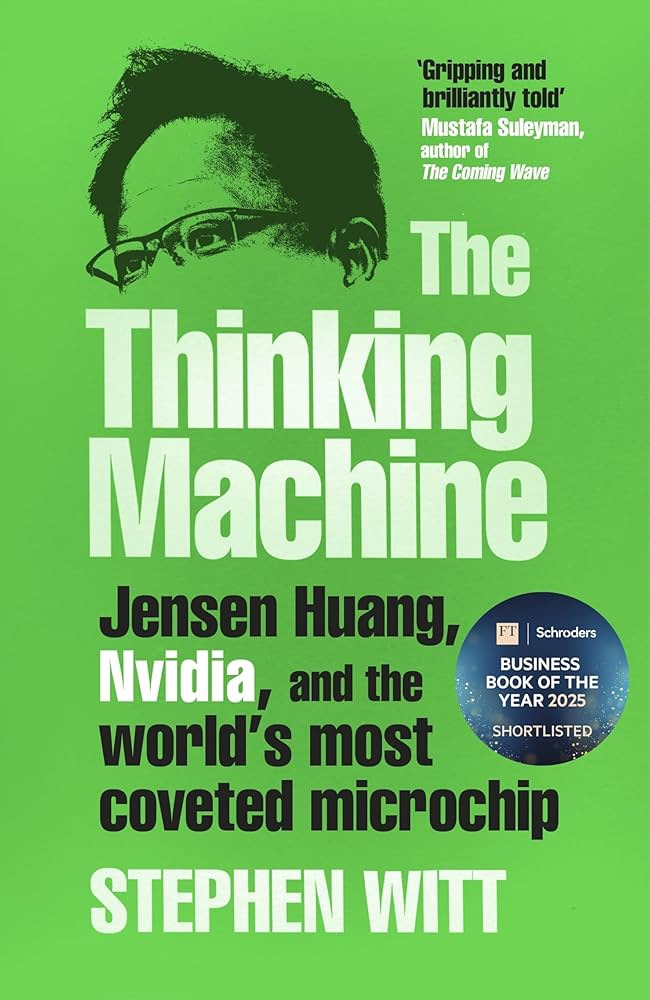
You can't build AI without chips. And you can't get chips without Jensen Huang. NVIDIA went from making video game graphics cards to becoming the most valuable company on Earth — because Huang bet everything on a future that hadn't arrived yet. Winner of the FT Business Book of the Year 2025, endorsed by Suleyman and Kurzweil. This is the story of the man who built the hardware that makes AI possible.
Love him or hate him — Elon Musk is an AI founder. He co-founded OpenAI, launched xAI and Grok, and is building Neuralink to connect human brains directly to computers. Charles Steel explores how Musk thinks — the mental models, the obsessions, the relentless first-principles reasoning that drives everything from SpaceX to AI.
I'm halfway through this one and I'm genuinely fascinated by the chapter on space and humans as a multiplanetary species. Whatever you think of Musk the person, Musk the thinker is worth understanding.
The thinkers who defined the AI conversation — the philosophers, futurists, and theorists who shaped how we think about machine intelligence before most people had even heard of ChatGPT.
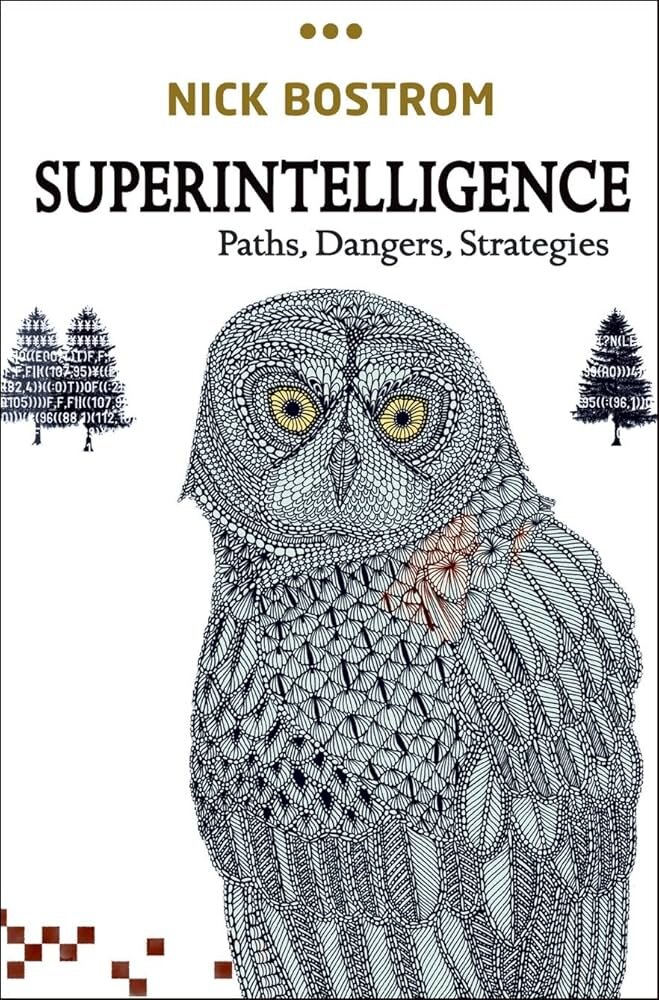
Before anyone was worried about ChatGPT, Nick Bostrom was asking the question that now keeps AI researchers up at night: what happens when we build something smarter than us? The Oxford philosopher laid out the scenarios — and most of them don't end well for humanity. This book is the reason the word "alignment" entered the tech vocabulary. Dense, academic, and genuinely unsettling.
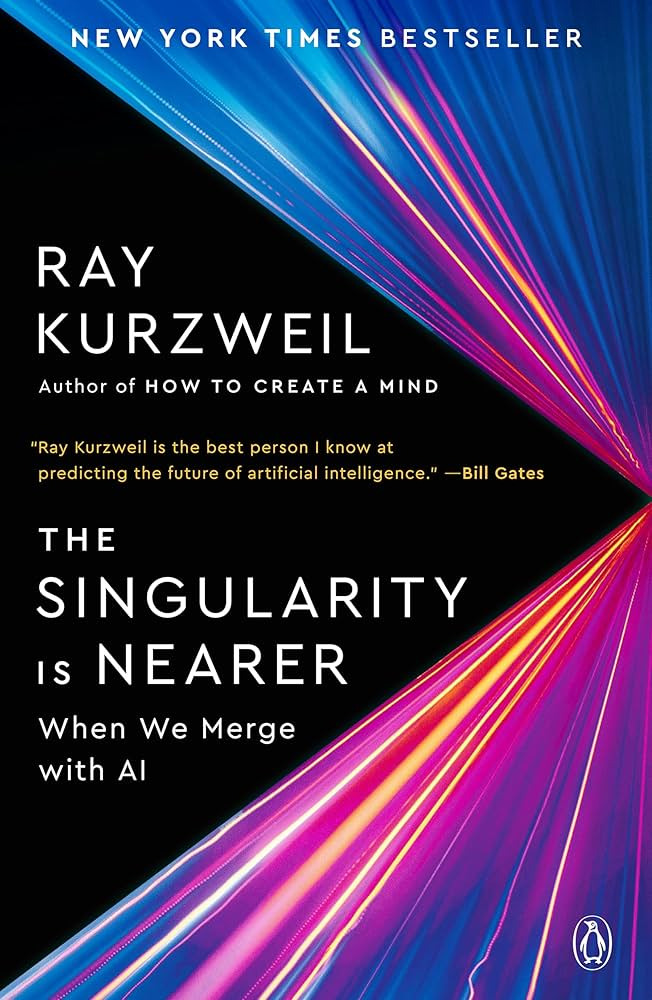
Ray Kurzweil has been predicting the future of AI since the 1990s — and he's been right more often than anyone has a right to be. The Director of Engineering at Google and pioneer of AI since the 1960s returns with an updated case for the Singularity — the moment when machine intelligence surpasses human intelligence. He thinks it's coming by 2045. After reading what Suleyman, Gawdat, and Hassabis are building, I'm less sure he's wrong.
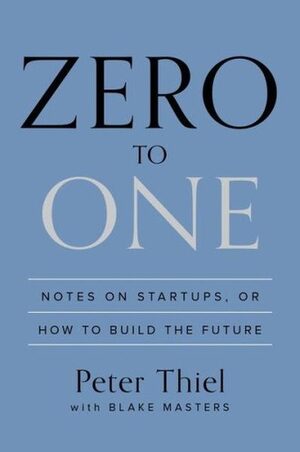
Peter Thiel co-founded PayPal and Palantir — one of the most powerful AI companies in defense and intelligence. Zero to One isn't an AI book on the surface, but it's the blueprint for how Silicon Valley thinks about building the future. Thiel's core argument — that the most valuable companies create something entirely new rather than copying what exists — is the philosophy behind every major AI company being built today.
This is a 5 out of 5 for me. Short, provocative, and full of ideas that keep compounding the more you think about them.
These books aren't about building AI — they're about what AI means for us. The ethical questions, the cultural impact, the oldest thought experiments about artificial minds.
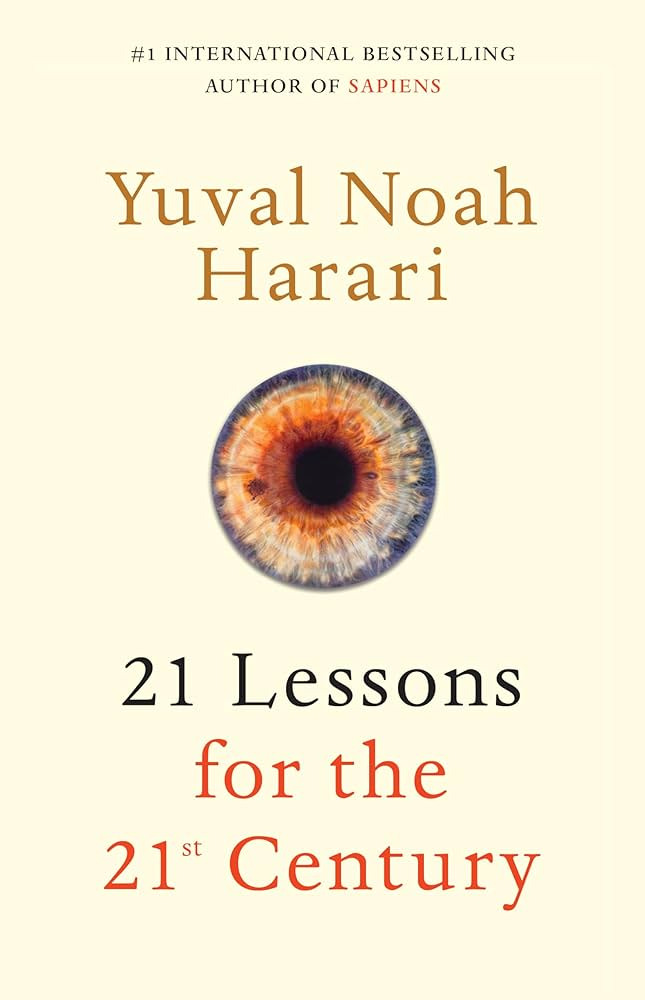
The Sapiens author turns his attention to the present — and AI is at the center of it. Harari asks the questions that the builders are too busy to ask: What happens to work when AI can do most jobs? What happens to democracy when algorithms know us better than we know ourselves? What happens to meaning when human intelligence is no longer special?
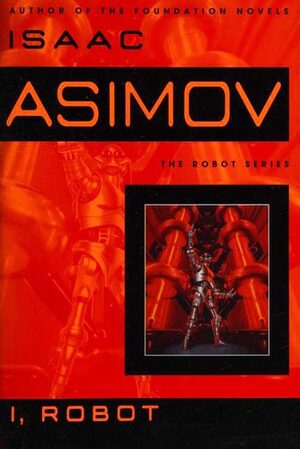
The book that started it all. Asimov's 1950 short story collection introduced the Three Laws of Robotics — and with them, the entire framework for thinking about AI ethics. Every conversation about AI alignment, every debate about machine values, every worry about superintelligence traces back to Asimov asking: if we build a thinking machine, whose rules does it follow?
Science fiction, yes — but the questions are more relevant now than when Asimov wrote them.
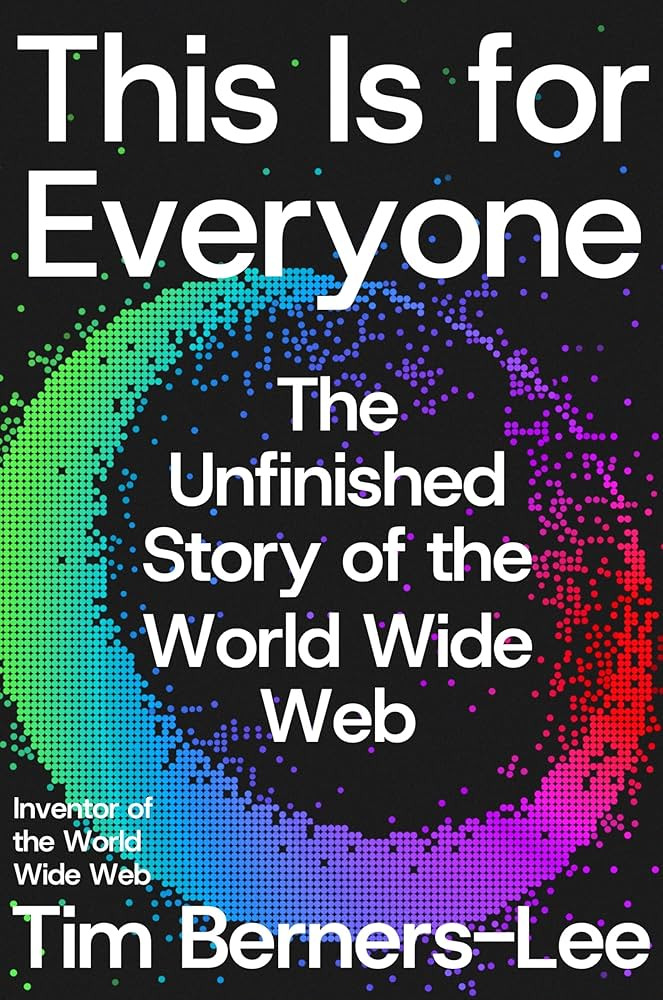
The man who invented the World Wide Web makes his case for why the internet should remain open, accessible, and human. Berners-Lee's vision of technology is radically democratic — and it's the philosophical counterpoint to the centralized AI empires being built by the companies on this list. In a world where AI is being concentrated in the hands of a few corporations, his argument for openness matters more than ever.
After reading what the founders, builders, and thinkers of AI have written, a few things stand out:
They all agree on one thing: AI is the most transformative technology humans have ever created. More than fire, more than electricity, more than the internet. Not one of these authors thinks this is just another tech trend.
They disagree on whether we'll survive it. Kurzweil thinks we'll merge with AI and transcend human limitations. Bostrom thinks we might not survive the transition. Suleyman thinks containment is possible but not guaranteed. Gawdat thinks it depends on whether we can teach AI to love. The range of opinions — from people who actually understand the technology — should give everyone pause.
Nobody has a plan. The builders are building. The philosophers are warning. The gap between capability and wisdom is growing every year. That's the real story of AI right now — not the products, not the stock prices, but the fact that the smartest people in the room aren't sure what happens next.
These are the books that helped me understand that. I'll keep updating this list as I read more.
AI doesn't exist in a vacuum. These books provide the broader context — monetary systems, historical cycles, human cooperation, and antifragility — that shape how AI will actually play out in the world.
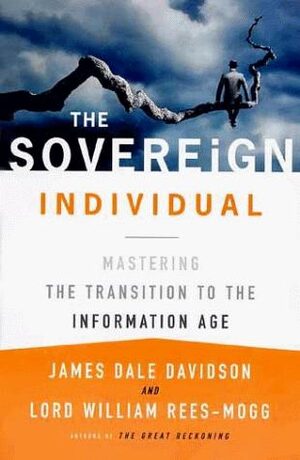
A prophetic book written in 1997 that predicted the rise of digital currencies, remote work, and the decline of nation-state power with eerie accuracy. It argues that technology will empower individuals over institutions, fundamentally reshaping society.
Buy on Amazon →
A deep dive into the economics of Bitcoin through the lens of monetary history. Ammous traces money from primitive barter to modern central banking, making the case for why sound money matters and how Bitcoin fits into that picture.
Buy on Amazon →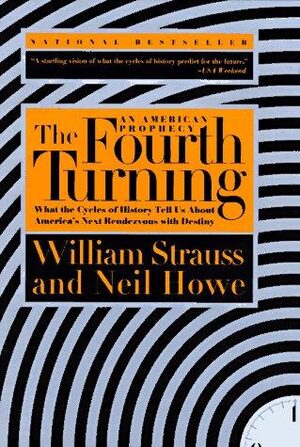
A theory of generational cycles that argues history moves in roughly 80-year patterns of crisis and renewal. Written in 1997, it predicted a major crisis period beginning around 2005–2025. A powerful framework for understanding why the world feels like it's coming apart.
Buy on Amazon →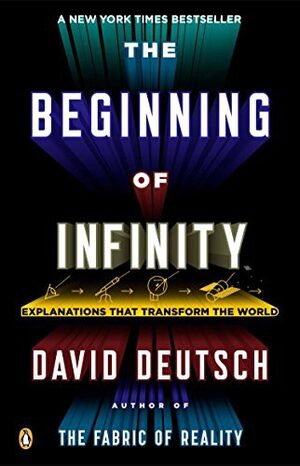
David Deutsch argues that all progress comes from good explanations, and that human knowledge has no fundamental limits. A mind-expanding book about the nature of knowledge, progress, and why optimism about the future is rationally justified. One of Bjorn's all-time favorites.
Buy on Amazon →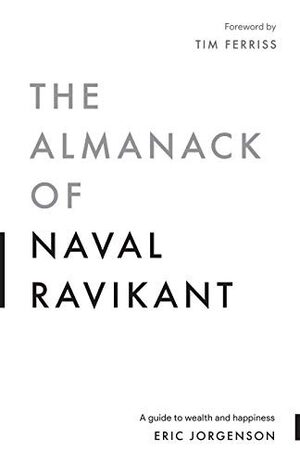
A collection of Naval Ravikant's wisdom on wealth creation, happiness, and living in the modern age. Covers leverage, specific knowledge, and how technology changes the game for individuals. Short, punchy, and deeply practical.
Buy on Amazon →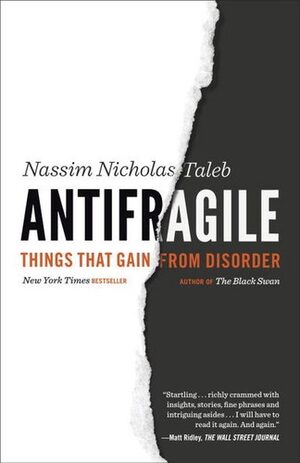
Taleb introduces the concept of antifragility — systems that get stronger from disorder, volatility, and stress. In a world of increasing uncertainty and AI disruption, understanding antifragility is essential.
Buy on Amazon →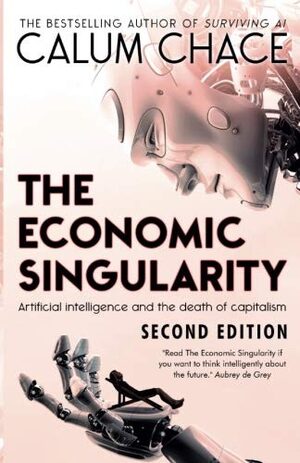
A clear, accessible overview of the AI revolution — what's coming, what it means for jobs, society, and human identity. Less academic than Bostrom's Superintelligence but covers similar ground in a more approachable way.
Buy on Amazon →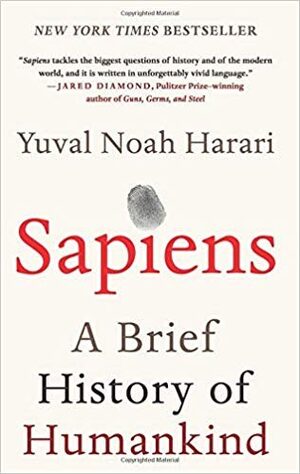
A sweeping history of humankind from the Stone Age to the present. Understanding where we came from is essential context for understanding where we're going — especially as AI reshapes the shared myths and stories that enabled human cooperation.
Buy on Amazon →📬 Subscribe to the Newsletter →
Last updated: July 11, 2026