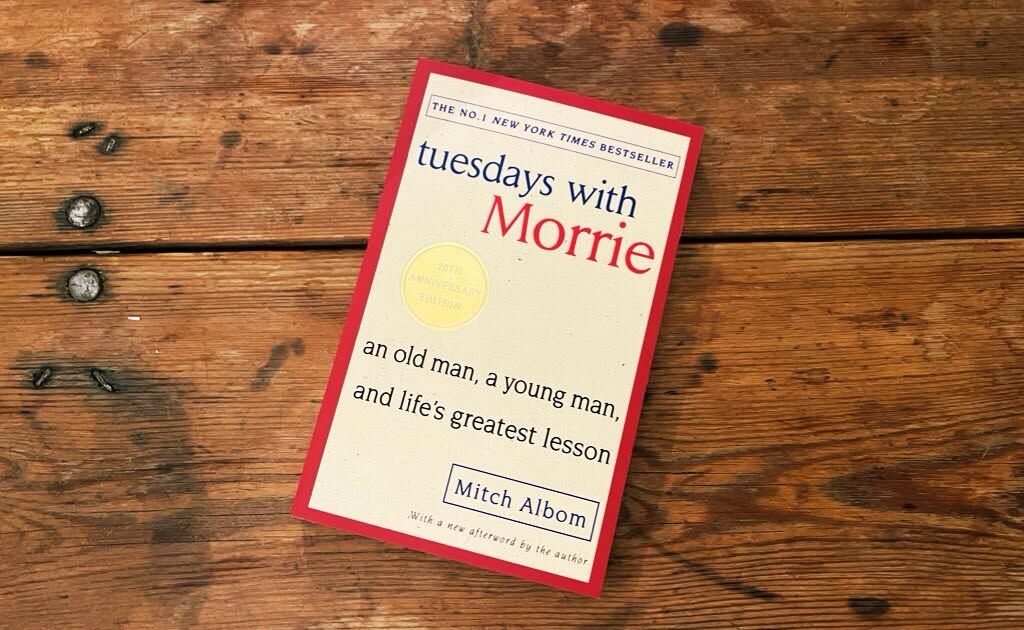
Tuesdays with Morrie
A dying professor's last lessons — and what to read instead if you want the full impact
"The truth is, once you learn how to die, you learn how to live."
Tuesdays with Morrie is a memoir by Mitch Albom. Mitch reconnects with his former sociology professor Morrie Schwartz after he's been diagnosed with ALS — a horrible disease where the brain slowly loses control over the muscles. You lose the ability to walk, talk, eat, and eventually breathe.
Despite the sickness, which is really a death sentence, Morrie keeps his spirit intact. The book chronicles Mitch's weekly visits with Morrie as he shares his insights on love, mortality, and the importance of living a meaningful life. Throughout the book, Morrie shares his wisdom on relationships, forgiveness, and finding happiness. As he nears the end of his life, Morrie becomes a mentor and friend to Mitch, helping him confront and overcome his own personal challenges.
The Experience of ALS
Having ALS is like being trapped inside your own body, watching helplessly as the muscles that enable you to move wither away.
Morrie first resisted the dependency ALS brings with it:
"I'm an independent person, so my inclination was to fight all of this — being helped from the car, having someone else dress me. I felt a little ashamed, because our culture tells us we should be ashamed if we can't wipe our own behind. But then I figured, Forget what the culture says. I have ignored the culture much of my life. . . . And you know what? The strangest thing. . . . I began to enjoy my dependency. . . . I close my eyes and soak it up. And it seems very familiar to me. It's like going back to being a child again."
Instead of fighting this kind of dependency — just like our culture teaches us to do — Morrie sees it as an opportunity to once again, just like a child, relish in the care he got from people.
The lesson being that if you don't agree with the ideas your culture dictates, and don't find them useful, then create your own culture.
📺 Video Review
Meaninglessness
"So many people walk around with a meaningless life. They seem half-asleep, even when they're busy doing things they think are important. This is because they're chasing the wrong things. The way you get meaning into your life is to devote yourself to loving others, devote yourself to your community around you, and devote yourself to creating something that gives you purpose and meaning."
BookLab, in a way, was an antidote to meaninglessness for me. By creating this community and sharing books, and inspiring people to read more, it has provided more meaning in my life.
Regrets
One of Morrie's biggest regrets was that he sometimes held on to grudges based on vanity and pride. In the end it was all fruitless, and a waste of energy.
Holding a grudge, being envious or spiteful is in a way the same thing as drinking poison yourself and expecting others to die.
Meanness
"People are only mean when they are threatened — and that's what our culture does."
That's what our economic system does to people. Even people who have jobs are threatened, because they worry about losing them. We worry about interest rates going up, layoffs, growing old, getting sick.
This quote led me to think about some of the remarks psychologist Erich Fromm makes in his great book Escape From Freedom.
"With the rise of capitalism everyone was suddenly in competition with everyone else and it was up to each individual to show his or her worth. In capitalism your feeling of selfhood relies on your usefulness in production. It depends on your usefulness in a competitive economy. Capitalism freed the individual one way, but increased isolation and doubt."
⚖️ Verdict
The book is now 25+ years old and I think it's lost some of its original impact, especially for younger readers.
Morrie talks about the futility of the rat race. How "stuff" like cars, big homes, and other material possessions matter little in the face of death. Morrie admits that he hasn't had a single thought about material things since he found out he was sick. Yet so many people work their asses off to get the next shiny thing. Wasting their life, day by day, until they end up with a tumor and wonder where all their time went.
I think this message struck a chord with people of the baby boom generation when the book came out. It was a wake-up call for many.
Younger people today know to a larger extent that working yourself to death at a job you hate in order to buy stuff you don't need is a bad life strategy. We saw our parents' generation do just that and we swore not to make the same mistake.
Morrie's message about the importance of community, service to others, and the value of true connection, on the other hand, is what strikes a chord with us.
That said, it's still a book worth reading. It's short, it's well written, and most importantly — it's a book that will have you reevaluating your priorities in life.
📚 What to Read Instead
This book is good, but not a full home run. If you want the themes of mortality and how to live — but with more depth and impact — these are the ones I'd point you to:
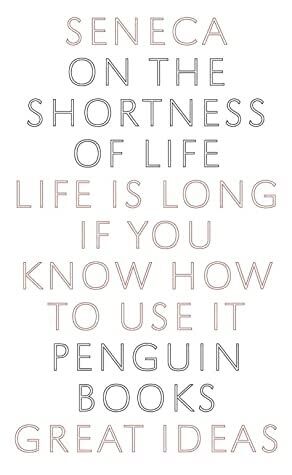

💀 Go Deeper: Books About Death & Living
This review is part of a bigger collection — 5 nonfiction books about death that changed how I think about living, including The Denial of Death and The Top Five Regrets of the Dying.
Read the Article →