On the Shortness of Life
A 2,000-year-old philosophical slap in the face — and it still stings.
What's It About?
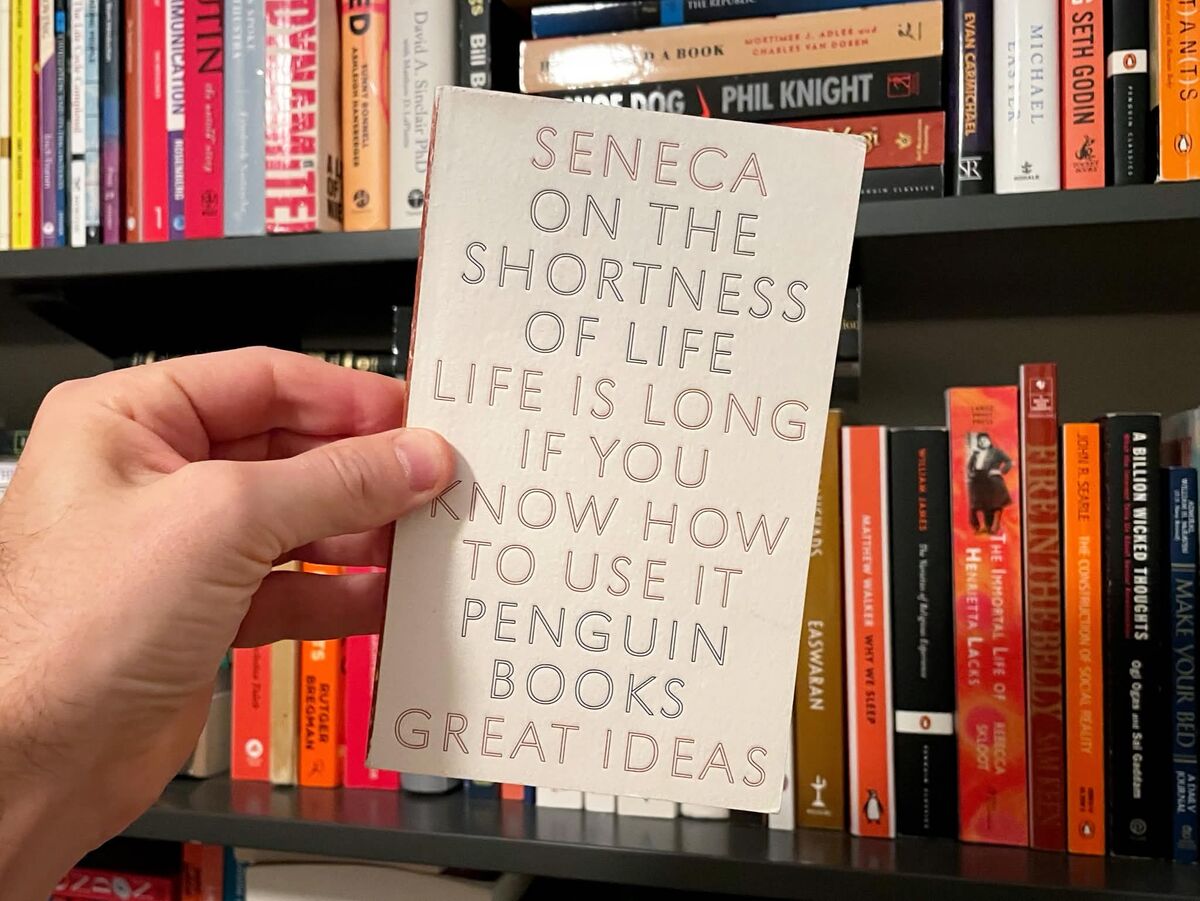
A brief essay on the duration of life. Seneca — a Stoic philosopher (4 BC – 65 AD) — takes aim at a universal complaint: that life is too short. His argument? It's not. We just waste most of it.
With a risk of oversimplifying Stoicism, I like how Nassim Taleb put it: "A Stoic is a Buddhist with attitude, one who says 'fuck you' to fate."
"It is not that we have a short time to live, but that we waste much of it. Life is long enough, and it has been given in sufficient measure to allow us to achieve the greatest things, if the whole of it is well invested... We are not given a short life but we make it short, and we are not ill-supplied but wasteful of it. Life is long if you know how to use it."
How Do We Waste Life?
According to Seneca: gossiping, overindulgence in food and sex, living life for others, working a job you hate, complaining. Also worrying about the future or letting the past disturb your tranquility. Then, when we finally realize these things are unimportant, we only have a few years left and wonder where all the time has gone.
"He who has grey hair has not lived for long — he has existed for long."
📺 Video Review
Still Relevant After 2,000 Years
Being written two millennia ago, it's amazing how almost all of Seneca's thoughts apply perfectly to contemporary society. The people he describes — busy with meaningless work, postponing what matters, numbing themselves with distraction — are everywhere. Scroll through social media for five minutes and you'll see exactly what he means.
💡 Key Takeaway
Be protective of your time. A lot of people live lives where they do work they hate so that they can enjoy leisure in the future. It's a bad idea — the future is not guaranteed. Don't spend each day as it comes waiting for a freedom you may never live to see.
⚖️ Verdict
You can read this in an afternoon. You should. It's one of those rare books that packs more wisdom per page than most 400-page volumes. Whether you're 20 or 60, Seneca's message hits: stop wasting time on things that don't matter. Start protecting the only non-renewable resource you have.