Chop Wood Carry Water
A Zen parable about falling in love with the grind — accessible, inspiring, and best served to those just starting out.
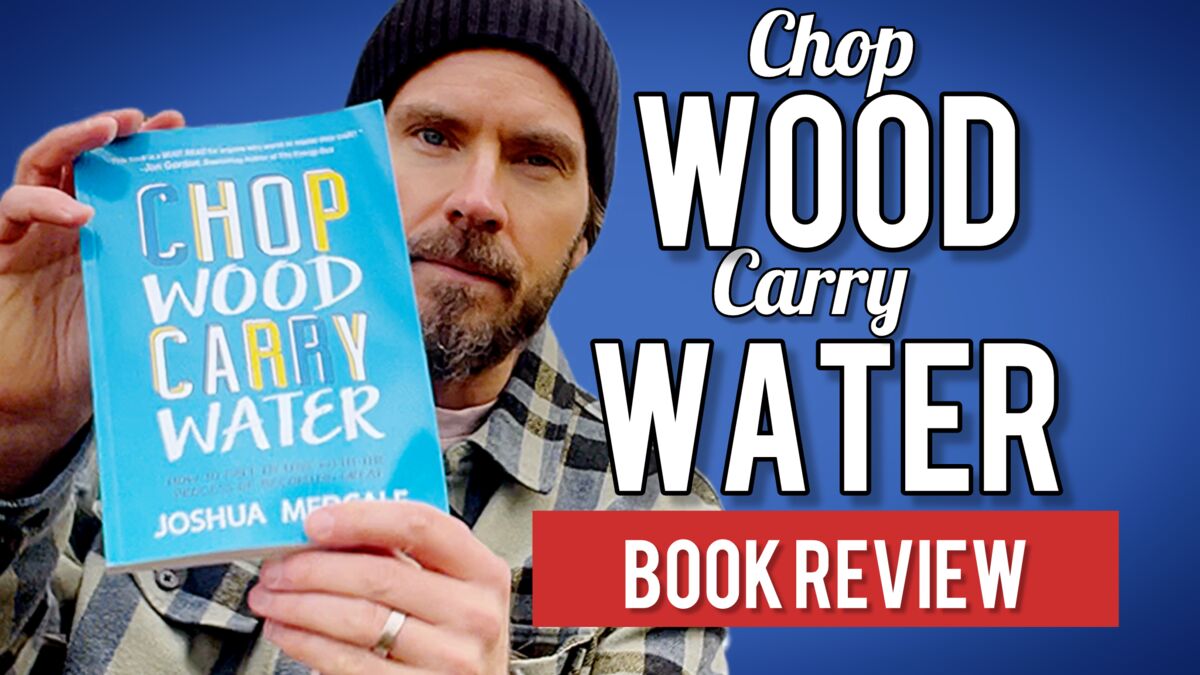
An Axe and a Bucket
Chop wood, carry water. All small choices matter. What you eat, what you consume, what you practice. This book is about falling in love with the process.
"Greatness is not for the chosen few, but for the few that choose."
At its heart, this book allows us to follow a young man named John. He has a big dream — he wants to become a samurai archer. As he's thrown into this endeavor, he's thrust into a rigorous training regime under a cryptic teacher named Akira Sensei. John expects to learn flashy techniques and experience epic battles, but instead he gets handed an axe and a bucket. Tasked with the seemingly menial chores of chopping wood and carrying water.
Each short chapter unfolds as a parable, revealing how these mundane acts build not just physical strength but mental resilience, focus, and character. The story is presented through discourse between Akira Sensei and John — as he goes through his training, he struggles with different aspects of the life of the samurai. And it's all neatly packaged in short chapters with easy-to-understand key lessons about self-discipline, mindfulness, why we need to practice, why we need to sweat the small stuff.
The expression "chop wood, carry water" comes from the tradition of Zen Buddhism:
"Before enlightenment, chop wood, carry water. After enlightenment, chop wood, carry water."
It reminds us of the importance of maintaining daily routines and being mindful in everyday mundane tasks. And as in the case of this book, it also reminds us that humility and discipline help us as we build our life and our character.
🧠 Ginosco vs. Yada — Two Kinds of Knowledge
One of the lessons that really stood out to me is the idea of not only sticking with the theoretical but also putting things into practice.
"In a world where anyone can look up information online, it's deceptively easy to gain knowledge. You can get pretty confident by reading everything you can get your hands on about the subject. It's called artificial maturity."
The book mentions two types of knowledge: ginosco and yada. Ginosco means you have knowledge about something. Yada is knowledge you've gotten because you've experienced something. Big difference.
This idea stood out to me because I've applied it a lot in recent years. When I'm studying a subject, I try to get practical as well. For instance, I was reading The Bitcoin Standard recently and got really interested in that technology — so not only reading about it but also building a node, understanding how hardware wallets work. All of that, becoming more practical with the idea. And as I read more about economics and markets, I started trading — not big sums, but getting actual practical experience of how markets work, how it feels to lose money, how it feels to win. It actually helps a lot and you learn a lot faster.
📺 Video Review
🧪 Nothing Is a Test
The second idea that stood out to me is the idea that nothing is a test.
"Nothing is a test. If you look at something as a test, you will focus only on passing this test instead of maximizing your growth through the experience. Over time, the person who focuses on maximizing how they can learn and grow will become much greater than the person who sees life as a continual test to prove themselves."
I thought about this a lot recently since my son started to get tests in school and I saw him being nervous about it. I think this is a great framing that I want to pass on to him.
🏠 Build Your Own House
There's another powerful story in the book about a professional who builds houses. He's getting tired of his job and wants to start a new career. So he's working on his last project and he's kind of ignoring the details, trying to get through it as fast as possible. When he finishes the house, his co-workers give him a gift on his ending day — a pair of keys. The keys are to the house he just built. "Here's our gift to you. We want to give you this as thanks for your long and good service to the company. Here's the keys to your house."
Of course, this carpenter will see all the small details and all the shortcuts he took along the way. And I think this is an important mindset — you're always building your own house. Mind the details.
💡 Key Takeaway
Fall in love with the process. Stop chasing flashy results and start sweating the small stuff — the mundane, daily disciplines are where real growth happens. Don't just read about it; put things into practice. And remember: you're always building your own house.
⚖️ Verdict
I picked up this book for two main reasons. The first being the title — "chop wood, carry water" is one of my favorite expressions. The second is that I was feeling a bit of a loss of focus and aim in life and thought this book might bring some new ideas.
This book is extremely accessible and holds some really good lessons. For me, someone with a weak spot for Eastern philosophy and Eastern thinking, it's really enjoyable. It definitely feels like it's aimed at a younger audience. I'm 40 — I think I would have enjoyed this much more if I'd read it in my twenties when I was first starting out on my own journey.
If you're a beginner reading self-help and personal development books, then this is a really good book — in the same vein as The Compound Effect, Think and Grow Rich, or Eat That Frog by Brian Tracy. For me, there was nothing really new here and I think I might have forgotten about this book in a couple of months — even though I enjoyed reading it in the moment. But for newer readers, definitely pick it up, especially if you struggle with the grind and having discipline and self-control. It will give you some inspiration and practical advice on how to move forward.
I want to end with my favorite line from this book:
"Do not pretend like you're going to live twice."