The Best Books on Productivity and Focus — Read These Before You Burn Out
Reading List · ⏱ 12 min read
I've been reading nonfiction obsessively for over a decade. Along the way, I've gone through pretty much every productivity book out there — from the classics everyone recommends to obscure ones that nobody talks about. Most of them are forgettable. A few of them genuinely rewired how I work.
This is a list of the productivity books that actually stuck with me. Not the ones with the best marketing or the most Instagram quotes — the ones that changed how I structure my days, how I think about work, and how I protect my attention in a world designed to steal it.
If you're looking for quick hacks and morning routine checklists, you're in the wrong place. These books go deeper than that. They deal with focus, resistance, systems, and the psychology behind why we procrastinate, drift, and settle for mediocre output when we're capable of so much more.
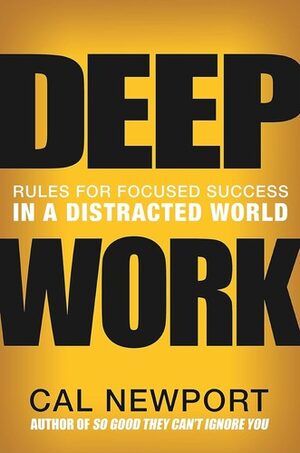
1. Deep Work
Cal Newport
This is the book that made me take focus seriously. Newport's argument is simple: the ability to concentrate without distraction on a cognitively demanding task is becoming both increasingly rare and increasingly valuable. In a world where everyone is checking Slack every three minutes, deep work is a superpower.
What I love about this book is that Newport doesn't just philosophize — he gives you concrete rules. Schedule deep work blocks. Quit social media (or at least be intentional about it). Embrace boredom. The "craftsman approach" to tool selection alone is worth the price of the book.
After reading this, I restructured my entire work schedule. It's one of the most practically useful books I've ever read.
📖 Read if you feel busy all day but never get meaningful work done.
📚 Get on Amazon
Read Review →
2. Atomic Habits
James Clear
You already know this book. Everyone recommends it, and for once, everyone is right. Clear's core insight — that outcomes are a lagging measure of your habits — is one of those ideas that sounds obvious until you realize you've been ignoring it your entire life.
The framework is elegant: make it obvious, make it attractive, make it easy, make it satisfying. But what really makes this book land is the identity chapter. You don't rise to the level of your goals — you fall to the level of your systems. Stop trying to be someone who "wants to write a book" and start being someone who writes every day. The identity shift changes everything.
I've reread this book more than almost any other nonfiction title. Every time I pick it up, I find something I missed.
📖 Read if you keep setting goals and failing to follow through.
📚 Get on Amazon
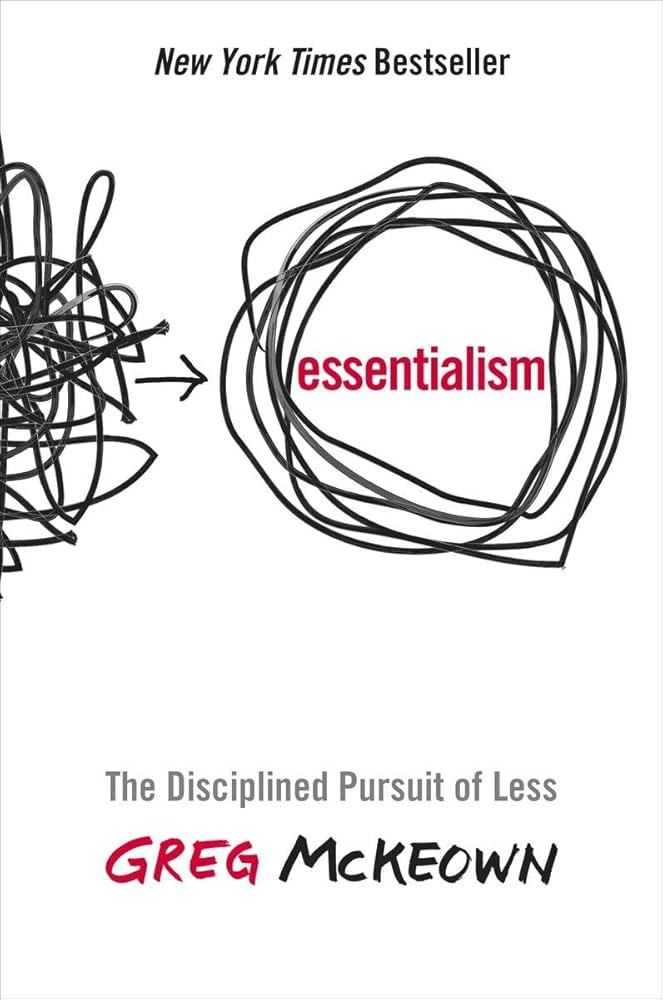
3. Essentialism
Greg McKeown
Most productivity books teach you how to get more done. This one teaches you how to get the right things done — by eliminating everything else. McKeown's argument is that almost everything is noise, and only a few things really matter. The disciplined pursuit of less.
The book hit me hard because I'm naturally inclined to say yes to everything. Essentialism gave me permission to say no without guilt. The "if it isn't a clear yes, it's a clear no" principle alone has saved me hundreds of hours.
It pairs perfectly with Deep Work. Newport tells you how to focus. McKeown tells you what to focus on. Read them together and you have a complete system.
📖 Read if you're stretched too thin and everything feels equally urgent.
📚 Get on Amazon
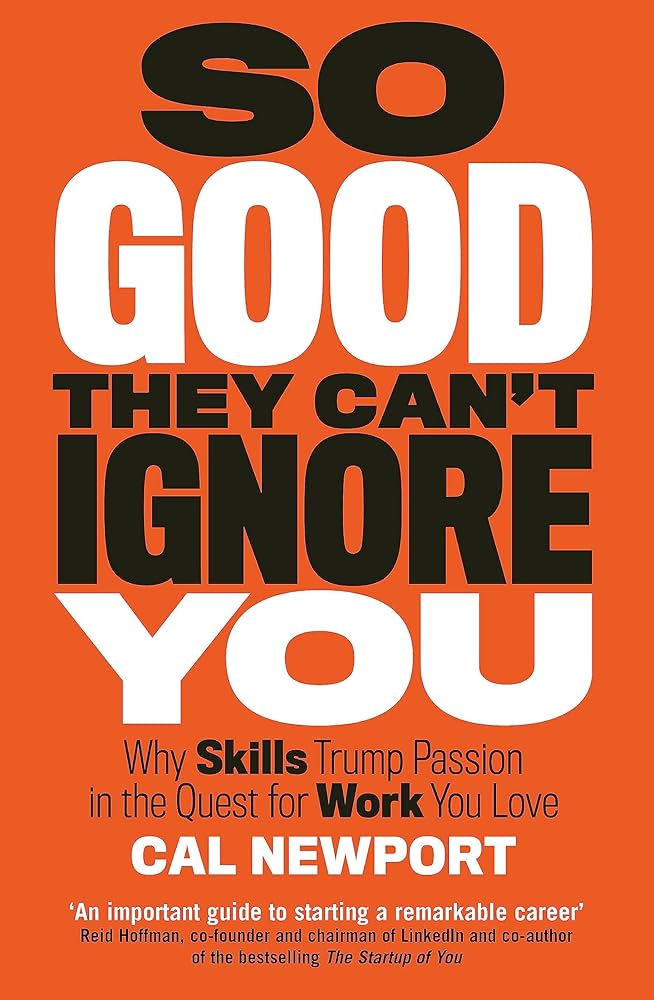
4. So Good They Can't Ignore You
Cal Newport
Newport again — because the man is right about more things than one. This book dismantles the "follow your passion" advice that's ruined so many careers. Newport argues that passion is not something you discover — it's something that develops as you get really good at something valuable.
The concept of "career capital" was a game-changer for me. You build rare and valuable skills, and then you trade that capital for autonomy, creativity, and meaning. Not the other way around. Stop asking "what am I passionate about?" and start asking "what am I willing to get great at?"
This is the most underrated productivity book on this list. It's not about working faster — it's about working on the right things for the right reasons.
📖 Read if you feel stuck in your career and keep waiting for your "calling" to arrive.
📚 Get on Amazon
📝 Read My Review
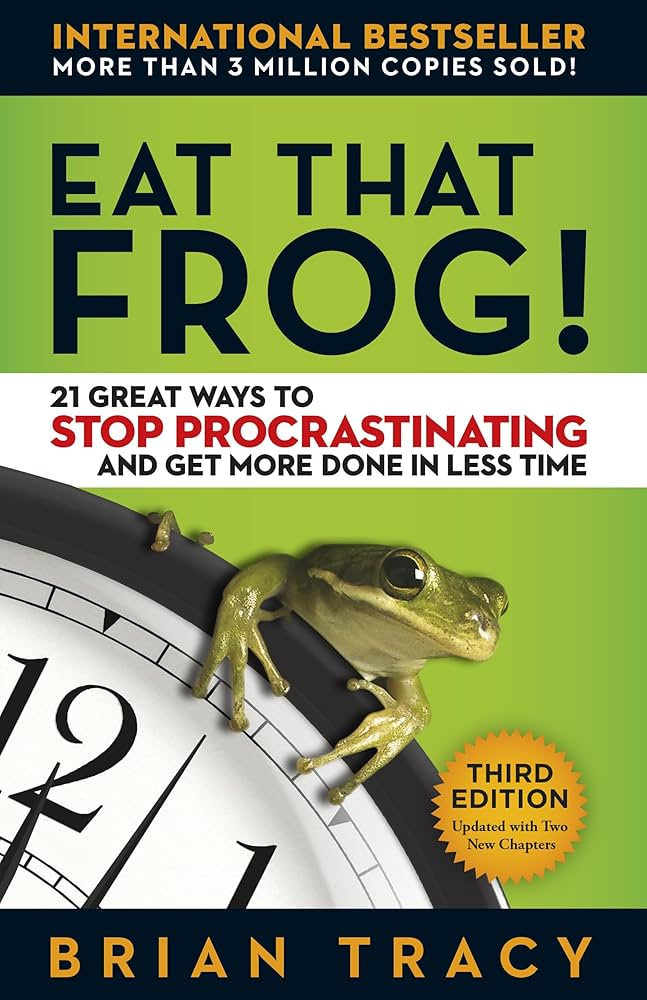
5. Eat That Frog!
Brian Tracy
The simplest book on this list, and maybe the most effective per-page. Tracy's premise: if the first thing you do each morning is eat a live frog, you'll have the satisfaction of knowing it's the worst thing you'll have to do all day. Your "frog" is your biggest, most important task — the one you're most likely to procrastinate on.
There's nothing revolutionary here. No frameworks, no research studies, no paradigm shifts. Just 21 practical techniques for stopping procrastination and getting more done. But sometimes the most obvious advice is the advice you actually need to hear.
I come back to this book whenever I catch myself avoiding the hard stuff. It's a 2-hour read that delivers more value per minute than books three times its length.
📖 Read if you know exactly what you should be doing but keep putting it off.
📚 Get on Amazon
📝 Read My Review
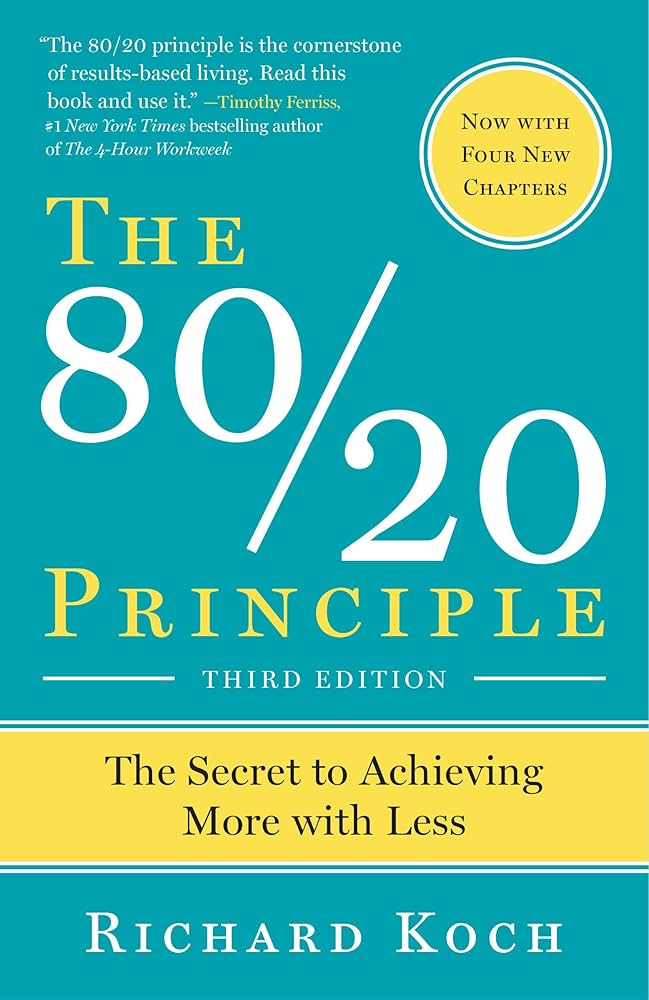
6. The 80/20 Principle
Richard Koch
This book will fundamentally change how you think about effort and results. Koch takes Vilfredo Pareto's observation — that 80% of outputs come from 20% of inputs — and turns it into a life philosophy. The principle applies to everything: business, relationships, time management, happiness. Most of what you do doesn't matter. A tiny fraction of your efforts produces almost all of your results.
What makes this book hit so hard is how ruthlessly it forces you to audit your own life. You think you're being productive, but Koch makes you realize you're spending 80% of your time on things that contribute almost nothing. The chapters on time management and business strategy alone are worth more than entire MBA programs. Once you internalize the 80/20 lens, you start seeing waste everywhere — and opportunity in the smallest places.
This isn't a typical productivity book. It's a thinking framework that makes every other productivity principle more powerful. Apply it to Deep Work and you'll know which deep work matters. Apply it to Atomic Habits and you'll know which habits to build. It's the multiplier.
📖 Read if you work hard but feel like your effort isn't translating into results.
📚 Get on Amazon
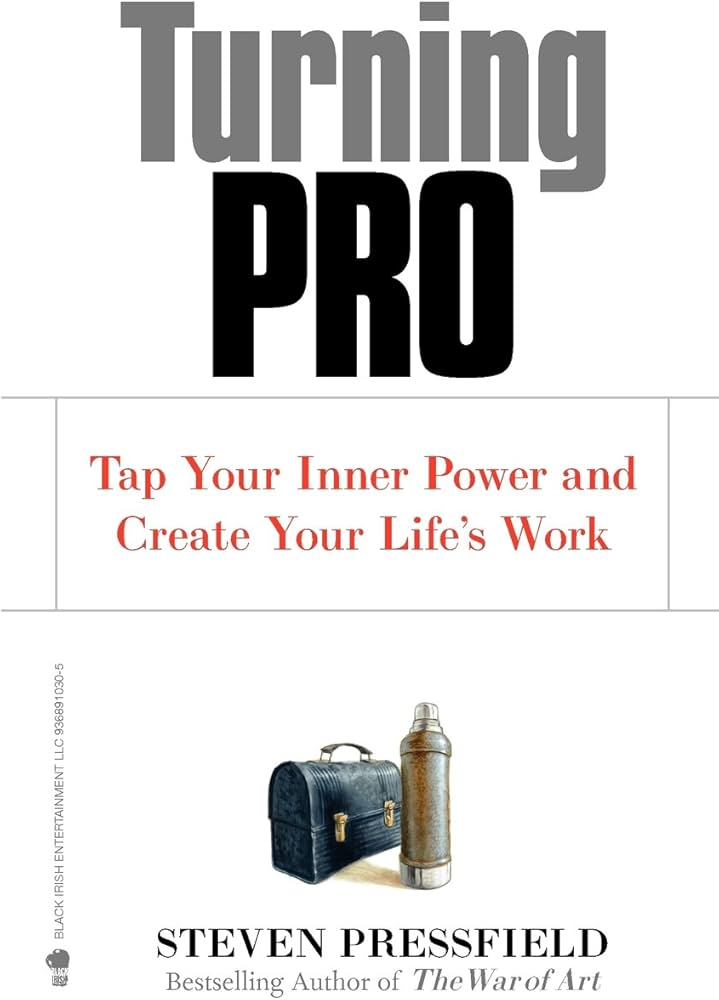
7. Turning Pro
Steven Pressfield
The sequel to The War of Art, and in some ways the deeper book. Where The War of Art names the enemy, Turning Pro describes the transformation you need to undergo to defeat it. The shift from amateur to professional isn't about talent or resources — it's about showing up every day whether you feel like it or not.
Pressfield's definition of the professional is someone who does their work regardless of mood, inspiration, or external validation. The amateur waits for the right moment. The professional creates the right moment by sitting down and starting.
This is a short book — you can read it in an afternoon. But the ideas in it will rearrange how you think about your work. Read The War of Art first, then this.
📖 Read if you've identified your Resistance but still haven't beaten it.
📚 Get on Amazon
8. Flow
Mihaly Csikszentmihalyi
The book that started it all. Csikszentmihalyi spent decades studying what makes people truly happy, and he found that it wasn't leisure, money, or success — it was flow. That state of complete absorption where time disappears and you become one with the activity.
The beauty of this book is how broadly it applies. Flow isn't just for athletes and musicians. You can find it in writing, coding, cooking, reading — any activity where the challenge matches your skill level. Understanding this concept fundamentally changed how I approach work. I stopped trying to be productive and started trying to create the conditions for flow. Productivity followed.
The writing is more academic than the other books on this list, but the core idea is one of the most important in all of psychology.
📖 Read if you want to understand why some work feels effortless and most doesn't.
📚 Get on Amazon
📝 Read My Review
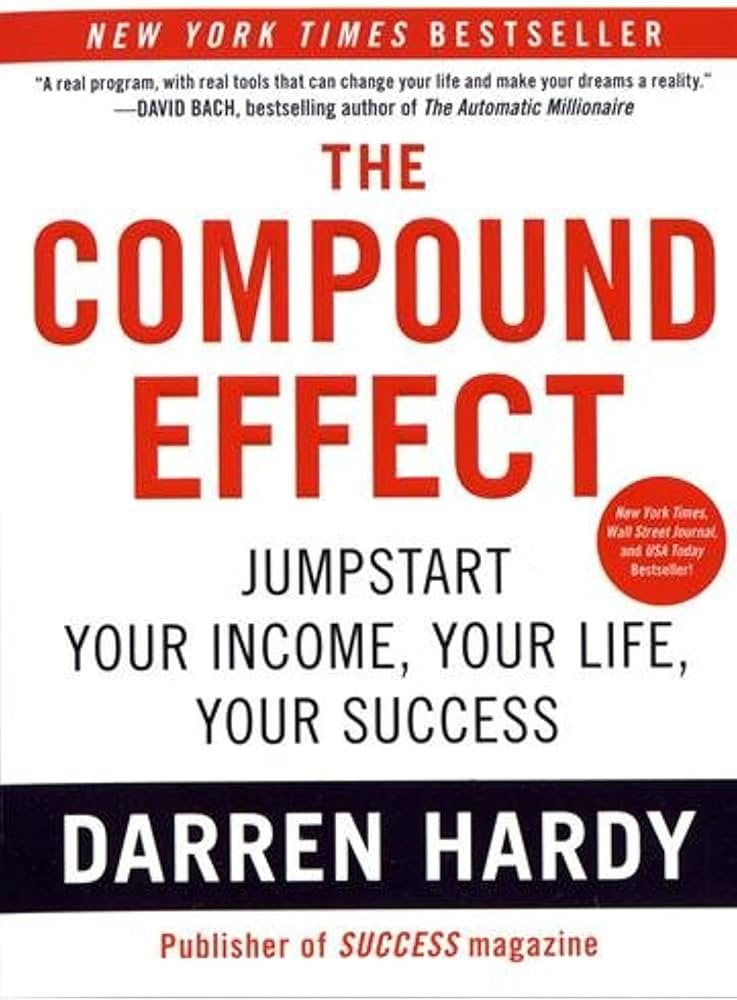
9. The Compound Effect
Darren Hardy
Hardy's thesis is almost too simple: small, smart choices + consistency + time = radical difference. That's it. No shortcuts, no hacks, no overnight transformations. Just the relentless accumulation of tiny positive decisions over months and years.
What makes this book work is how brutally honest it is about why most people fail. They want the result without the process. They want the compound interest without making the deposits. Hardy forces you to look at your daily choices — the ones you barely notice — and understand that they're either compounding for you or against you. There is no neutral.
It's a great companion to Atomic Habits. Clear gives you the framework. Hardy gives you the motivation and the accountability.
📖 Read if you understand the theory but need someone to hold your feet to the fire.
📚 Get on Amazon
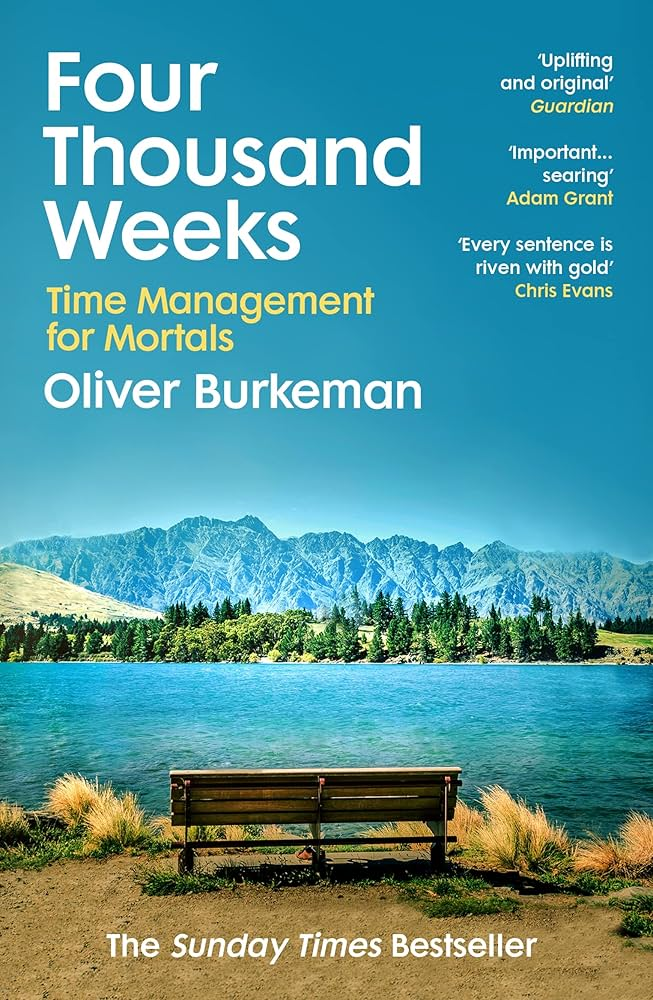
10. Four Thousand Weeks
Oliver Burkeman
This might be the most important productivity book ever written — and it's an anti-productivity book. Burkeman's premise: you have roughly 4,000 weeks to live. You will never get everything done. You will never feel "on top of things." And trying to optimize your way out of that reality is making you miserable.
It's the perfect book to read after you've absorbed all the systems and frameworks from the rest of this list. Because at some point, productivity becomes its own trap. You get so focused on efficiency that you forget to ask: efficient at what? For whom? Why?
Burkeman draws on philosophy, psychology, and his own experience as a recovering productivity addict to argue for a radically different approach: embrace your limitations, choose what matters, and let go of the rest. It's liberating.
📖 Read if you've read every productivity book and still feel like you're falling behind.
📚 Get on Amazon
📝 Read My Review
11. The 5 Second Rule
Mel Robbins
Mel Robbins offers a simple yet effective technique to break through the barriers of inaction. By counting down from five and taking action, you can stop overthinking, overcome self-doubt, and make healthier decisions.
The technique is almost absurdly simple — and that's exactly why it works. When you feel hesitation, count 5-4-3-2-1 and move. It interrupts the habit loop of procrastination before your brain can talk you out of it.
📖 Read if you're an overthinker who needs a dead-simple trick to just start.
📚 Get on Amazon
Final Thoughts
If I had to pick just three from this list, I'd say start with Deep Work, Atomic Habits, and The 80/20 Principle. Together they cover the three pillars: how to focus, how to build systems, and how to make sure you're spending your energy on the 20% that actually moves the needle.
But honestly, the real test isn't which book you read — it's what you do after you close it. The best productivity book is the one that makes you put down the book and start working. If you need a push, that's what these are for.
I've read over 370 nonfiction books. These are the ones I keep coming back to when I need to get my head right about work. Want more recommendations? Check out my best books on stoicism or best books for overthinkers.
Explore the Full Collection
This list is part of my Great Books List — a curated collection based on 10+ years and 370+ books of nonfiction reading.
Browse the Great Books List →