10 Best Books on Stoicism — A Practical Reading Guide
Reading List · ⏱ 8 min read
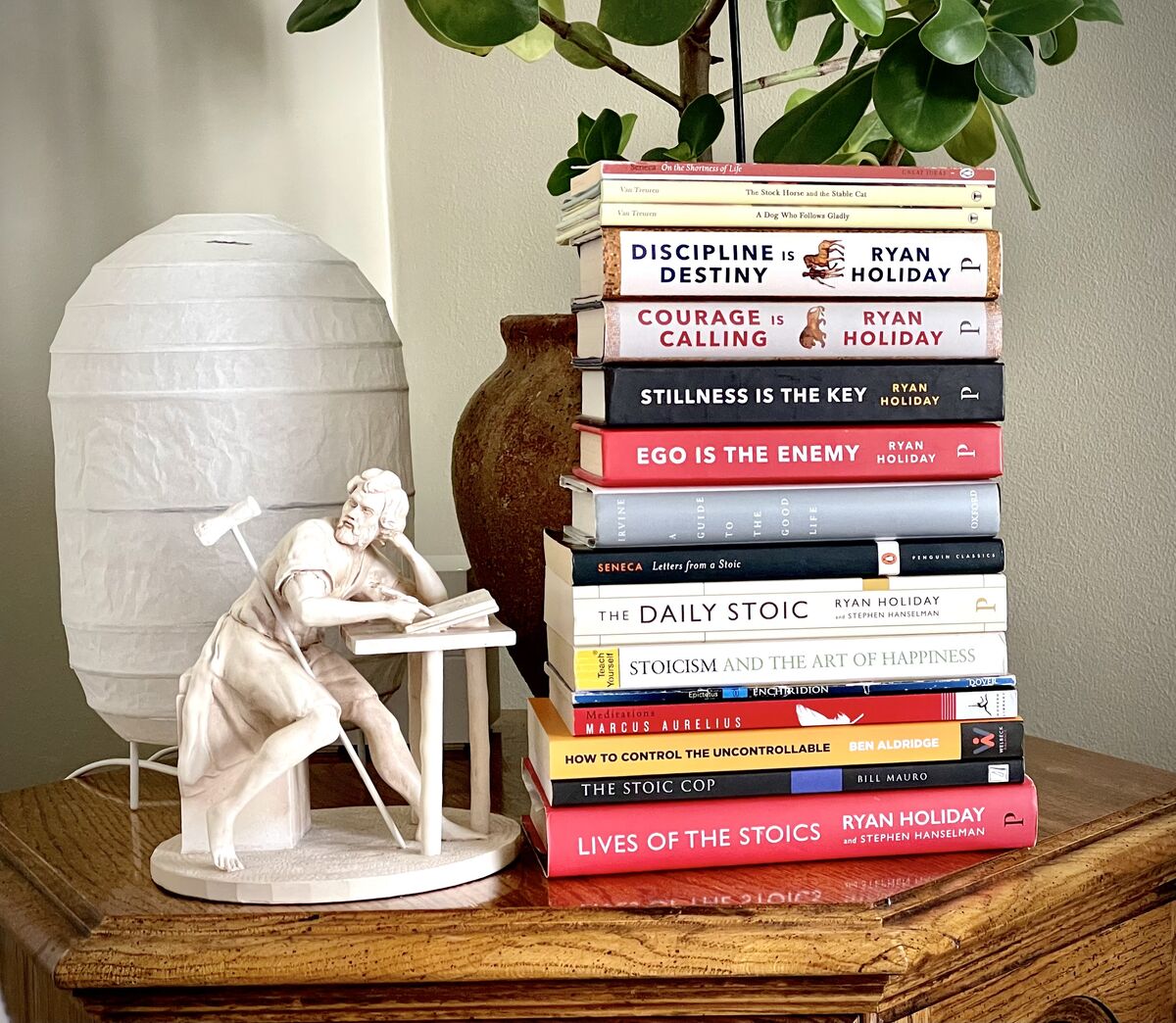
Stoicism changed my life more than any other philosophy. That's not hyperbole. Before I discovered A Guide to the Good Life by William Irvine, I was reactive, anxious, and constantly bothered by things I couldn't control. That book flipped a switch — and sent me down a rabbit hole that I'm still in today, over a decade later.
I've now read more than 300 nonfiction books, and Stoicism keeps showing up. In the biographies of great leaders, in the memoirs of athletes and entrepreneurs, in psychology, in the self-help books that actually work. The principles are 2,000 years old, and they're more relevant now than ever.
This is my personal ranking of the best Stoicism books — a mix of ancient primary sources and modern interpretations. Every book on this list I've read myself, most of them more than once. If you're new to Stoicism, start at #1. If you've already read the basics, skip to #5 and beyond.
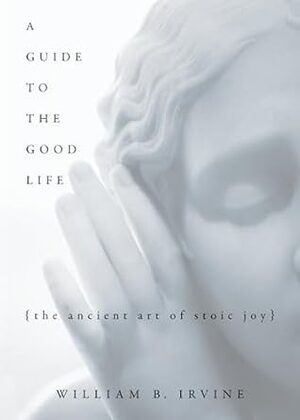
1. A Guide to the Good Life
William B. Irvine
This is one of my all-time favorite books. I've reread it more times than I can count. Irvine does something that most Stoicism books fail at: he takes the ancient philosophy and makes it genuinely practical for modern life. No academic jargon. No pretension. Just clear, useful wisdom.
You'll learn about negative visualization — imagining the loss of what you have to appreciate it more. The dichotomy of control — distinguishing between what you can and can't influence. How to deal with insults, setbacks, desire, and anger. These aren't abstract exercises. They're tools you can start using today.
If you read one book on Stoicism, make it this one. Once the Stoic framework clicks, everything becomes easier. Rejections, bad bosses, failures, uncertainty — all of it.
📖 Read if you want a practical, modern introduction to Stoicism that you'll actually apply to your life.
📚 Get on Amazon
📝 Read My Review
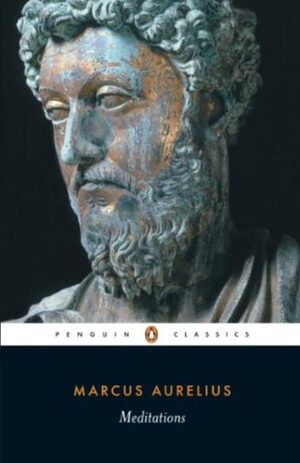
2. Meditations
Marcus Aurelius
The philosopher king's own journal. Marcus Aurelius was the Emperor of Rome — arguably the most powerful man in the ancient world — and he spent his private moments writing reminders to himself about how to be a better person. He never intended for anyone to read this. That's what makes it so powerful.
Meditations isn't a structured book. It's raw, unfiltered, sometimes repetitive. It reads like the internal monologue of a man wrestling with his own ego, impatience, and mortality. And because of that, it feels timeless. You'll find yourself nodding along to passages written nearly 2,000 years ago as if Marcus was sitting across from you at a coffee shop.
I recommend the Gregory Hays translation — it's the most readable modern version and avoids the stiff, archaic language of older translations.
📖 Read if you want the original source material — the private journal of history's most powerful Stoic.
📚 Get on Amazon
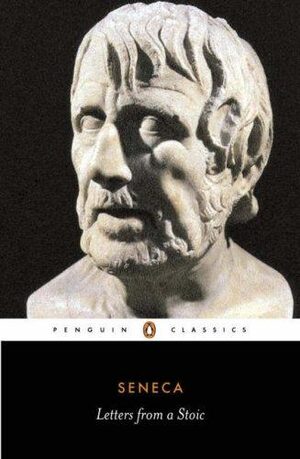
3. Letters from a Stoic
Seneca
Seneca was a Roman statesman, dramatist, and tutor to Emperor Nero — a complicated man living in complicated times. His letters to his friend Lucilius are some of the most beautiful and practical philosophical writing ever produced. Where Marcus is terse and internal, Seneca is warm, conversational, and persuasive.
The letters cover everything: how to spend your time wisely, how to deal with grief, how to think about wealth, how to prepare for death. Seneca doesn't moralize from a distance — he's in the arena himself, struggling with the same things you and I struggle with. He was wealthy and politically entangled, and his Stoicism was forged under real pressure, not in an ivory tower.
I come back to this book more than almost any other. It's the kind of book you can open to any page and find something that speaks directly to whatever you're going through.
📖 Read if you want Stoic wisdom delivered in an intimate, letter-by-letter format — like getting advice from a brilliant, flawed friend.
📚 Get on Amazon
📝 Read My Review

4. On the Shortness of Life
Seneca
A short essay — you can read it in an afternoon. But it packs more wisdom per page than most 400-page books. Seneca's core argument: life isn't too short. We waste it. We spend it on things that don't matter, we postpone the things that do, and then we complain that we didn't have enough time.
This one hits differently depending on where you are in life. I first read it in my late twenties and it was a wake-up call. I've reread it several times since. Every time, a different passage grabs me. It's the kind of book that grows with you.
If you're not ready to commit to the full Letters from a Stoic, start here. It's the perfect entry point to Seneca.
📖 Read if you feel like life is passing you by and you need a philosophical slap in the face.
📚 Get on Amazon
📝 Read My Review
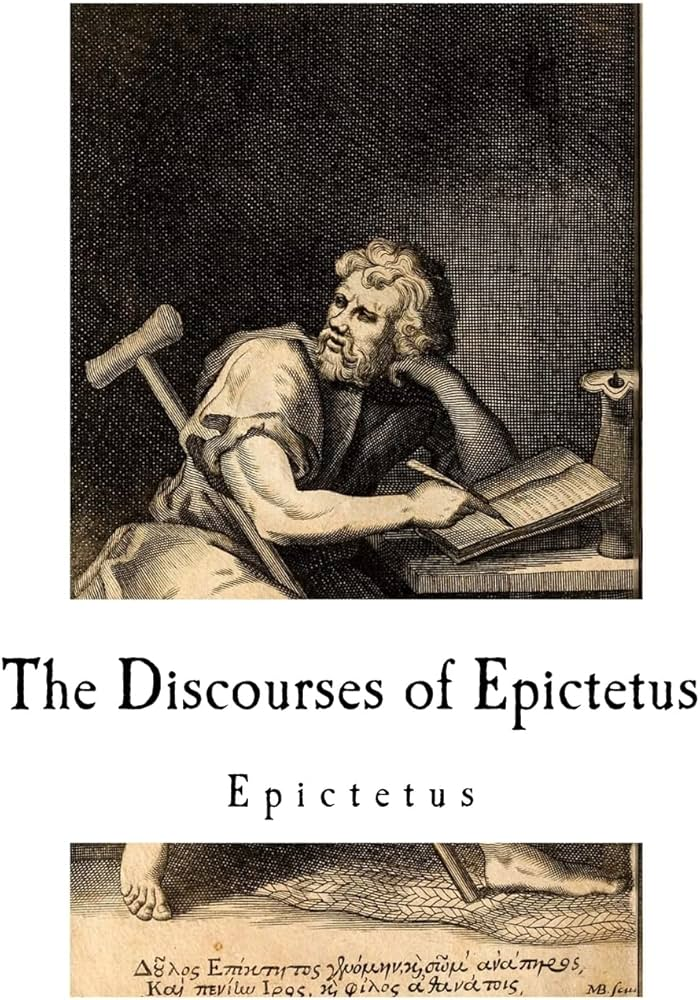
5. Discourses
Epictetus
Epictetus was born a slave. Think about that. The man who articulated one of the most powerful philosophies of personal freedom — "Some things are within our power, while others are not" — was himself a slave for much of his life. His philosophy wasn't theoretical. It was survival.
The Discourses are lecture notes compiled by his student Arrian. They're more direct and confrontational than Seneca or Marcus. Epictetus doesn't coddle you. He challenges you. He asks hard questions about whether you're actually living by your principles or just talking about them.
This is the most demanding of the ancient Stoic texts, but also the most transformative if you're willing to sit with it. Epictetus is the Stoic who will call you out on your bullshit.
📖 Read if you've already read Marcus and Seneca and want the third pillar — the one who won't let you off the hook.
📚 Get on Amazon
6. Discipline Is Destiny
Ryan Holiday
Ryan Holiday has done more to popularize Stoicism than probably anyone in the modern era. Some purists don't love his work, but I think he's excellent at making philosophy accessible without dumbing it down.
Discipline Is Destiny focuses on self-discipline as a virtue — told through stories of people like Queen Elizabeth II, Lou Gehrig, Eisenhower, and Angela Merkel. It's the second book in Holiday's virtue series (after Courage is Calling), and I think it's the strongest of the bunch. The writing is tight, the stories are well-chosen, and the message lands: freedom requires discipline.
📖 Read if you like learning philosophy through biography and historical storytelling.
📚 Get on Amazon
Read Review →
7. Stillness Is the Key
Ryan Holiday
Another Holiday entry, but this one stands on its own. It's less about Stoicism specifically and more about the Stoic ideal of inner calm — what the Greeks called ataraxia. Holiday draws from Stoicism, Buddhism, Confucianism, and modern psychology to make the case that stillness is a competitive advantage, not a luxury.
The book is organized into three parts — mind, spirit, body — and each chapter profiles someone who embodied stillness under pressure. I found it especially useful during periods of high stress and information overload. Sometimes you need a book that tells you to slow down and be quiet. This is that book.
📖 Read if you're overwhelmed, overstimulated, or just need permission to stop scrolling and start thinking.
📚 Get on Amazon
Read Review →
8. Courage Under Fire
James Stockdale
At just 21 pages, this is the shortest book on the list — and one of the most powerful. James Stockdale was a fighter pilot who discovered Epictetus at 38. A few years later, he was shot down over Vietnam and held as a prisoner of war for eight years, enduring torture and isolation. Everything he'd learned from the Enchiridion became his survival tool.
Stockdale proved that Stoicism isn't a self-help trend or an intellectual exercise — it's a philosophy that works when everything else is stripped away. The dichotomy of control, the rejection of shame over pain, the insistence on inner freedom when outer freedom is gone. This is Stoicism tested in the most extreme laboratory imaginable.
📖 Read if you want proof that philosophy isn't abstract — it's survival. The most concentrated dose of applied Stoicism you'll ever find.
📚 Get on Amazon
Read Review →
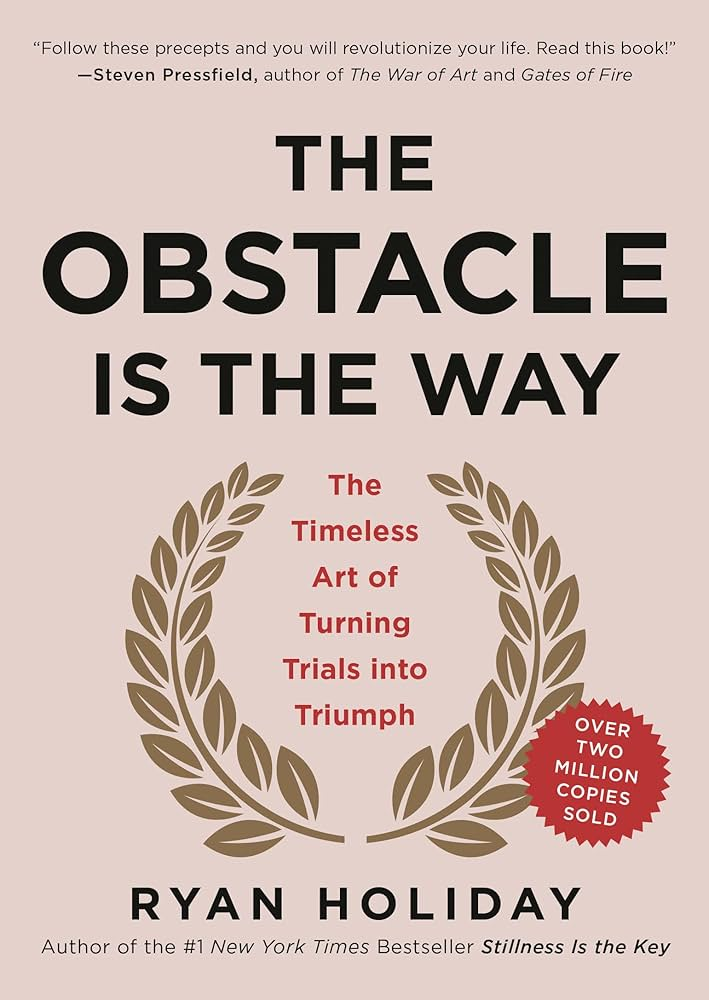
9. The Obstacle Is the Way
Ryan Holiday
Holiday's first major Stoicism book, and the one that kicked off the modern Stoicism revival. The core idea comes from Marcus Aurelius: "The impediment to action advances action. What stands in the way becomes the way."
It's structured around perception, action, and will — three disciplines for turning obstacles into advantages. Holiday illustrates each with historical examples: Amelia Earhart, Ulysses S. Grant, Steve Jobs, Thomas Edison. It's motivational without being shallow, philosophical without being academic.
If I'm being honest, I think Discipline Is Destiny is the better book, but The Obstacle Is the Way is the one that introduced millions of people to Stoicism — and it holds up well on a reread.
📖 Read if you're facing a major obstacle right now and need a framework for pushing through it.
📚 Get on Amazon
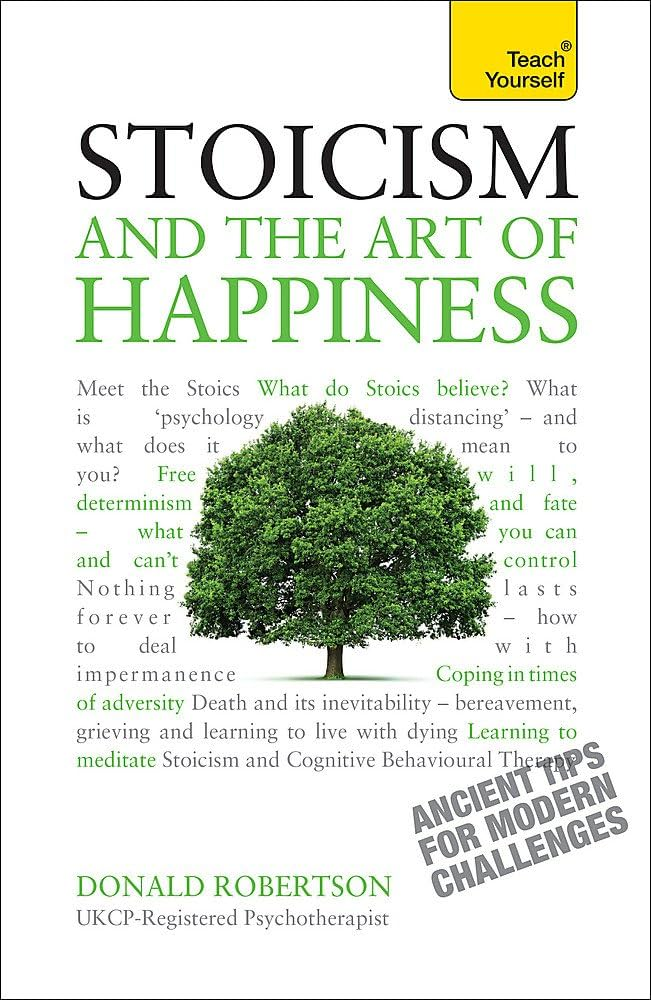
10. Stoicism and the Art of Happiness
Donald Robertson
This is the most "textbook" entry on the list, but in the best possible way. Robertson is a cognitive behavioral therapist, and he draws a direct line between ancient Stoicism and modern CBT — the idea that our thoughts shape our emotions, and that we can train ourselves to think differently.
If you've read the ancient texts and Holiday's popular interpretations, Robertson fills in the gaps. He explains the theory behind the practice. Why does negative visualization work? What's the psychological mechanism behind the dichotomy of control? How does Stoicism compare to other therapeutic approaches?
📖 Read if you want to understand the psychology behind why Stoicism works — not just what to do, but why it works on your brain.
📚 Get on Amazon
Where to Start
If you're completely new to Stoicism, start with A Guide to the Good Life. It's the most accessible, most practical, and the one that made me fall in love with the philosophy.
If you want to go straight to the source, pick up Meditations (Hays translation) and Letters from a Stoic. You can read them in any order.
If you want modern and story-driven, go with Discipline Is Destiny or The Obstacle Is the Way.
These books aren't just about ancient philosophy. They're about how to handle the problems you're dealing with right now — work stress, difficult relationships, uncertainty about the future, information overload. The Stoics figured this stuff out 2,000 years ago. We just keep rediscovering it.
Explore the Full Collection
This list is part of my Great Books List — a curated collection based on 10+ years and 300+ books of nonfiction reading.
Browse the Great Books List →