Why We Sleep
The shorter you sleep, the shorter your lifespan. This book will terrify you into better habits.
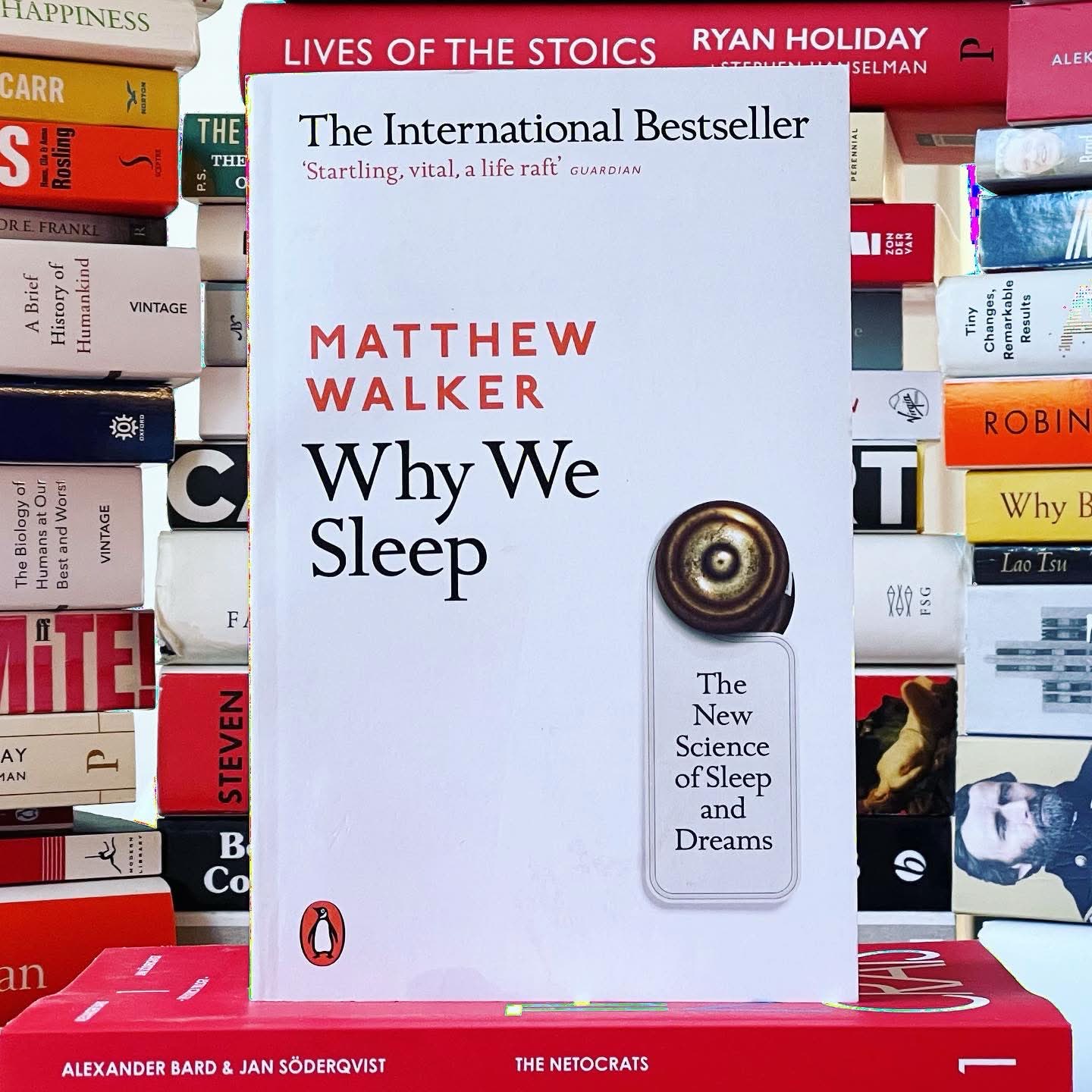
Nothing Wrecks Human Potential Like Bad Sleep
Nothing wrecks human potential like bad sleep. In Matthew Walker's Why We Sleep, we get a full rundown of the latest research — how sleep is generated (which is super fascinating), what dreams are for, why modernity promotes terrible sleep habits, the consequences of sleep deprivation, and the benefits of getting adequate shut-eye.
Lack of Sleep Makes You a Baby
At least that's what happens with me. When I don't get enough sleep, my feelings go haywire. I worry unnecessarily. I make terrible, terrible food choices. I've learned to observe when this happens and try to get myself to bed. I also try to avoid making big decisions — or even small ones — when I'm in this state of mind.
Walker's research backs this up with hard data, and it's honestly terrifying to see just how much sleep deprivation affects your emotional regulation, decision-making, and overall wellbeing.
The Caffeine Trap
Here's something most people don't realize: the half-life of caffeine is much longer than you think. A lot of people fail to link their bad sleep with the cup of coffee they drank nine hours ago. One of the biggest actions I've taken from this book is cutting off my caffeine intake. Nowadays I try to have my last cup of coffee at 1 PM at the latest, so the caffeine is out of my system when it's time for bed.
I don't always follow this rule — but that's what I'm working toward. It's made a noticeable difference.
Sleep Is All-or-Nothing for Memory
One of the most striking findings in the book: sleep for memory consolidation is an all-or-nothing event. If you don't sleep the very first night after learning something, you lose the chance to consolidate those memories — even if you get a lot of catch-up sleep afterward. That alone should make anyone reconsider pulling an all-nighter before an exam.
"The shorter you sleep, the shorter your lifespan."
The Long List of Reasons to Sleep
When you read through the book, you'll have a long list of reasons why you should get seven to eight hours of sleep. You live longer. It enhances memory. It makes you more creative. It walls off the flu and colds. You feel happier, less depressed, and less anxious. It protects you from heart attacks, strokes, and diabetes.
So why don't we allow ourselves to sleep enough? Modern society — at least where I live in Sweden, and I think most of the western world — pushes this idea: don't sleep, go up at 5 AM, go to bed late, work hard. But that will take a toll on you. Life is not a race — it's a marathon.
What I Changed
I've increased my sleep from under seven hours to at least seven and a half. Eight is probably my sweet spot based on the experiments I've done — that's when I feel absolutely the best. But between running BookLab, full-time work, and having young children, I've had to find a balance. Seven and a half is my compromise, and even that has made a huge difference.
📺 Video Review
💡 Key Takeaway
Sleep is the single most effective thing you can do for your brain and body — and most of us are chronically undervaluing it. Getting your sleep right will help you unlock your full potential. It's not about sleeping your life away — it's about making the hours you're awake actually count.
⚖️ Verdict
This is not a fun read per se — it can be quite technical, and honestly, it's terrifying. It's hard to read this book and not change aspects of your lifestyle. Some of the data has been disputed, but the core message stands: sleep is overlooked, undervalued, and absolutely critical. I recommend Why We Sleep to anyone I know. Straight to the Great Reads List.