When the Body Says No: Understanding the Stress-Disease Connection
When you suppress who you are, your body eventually says no for you. Maté's case for the mind-body connection.
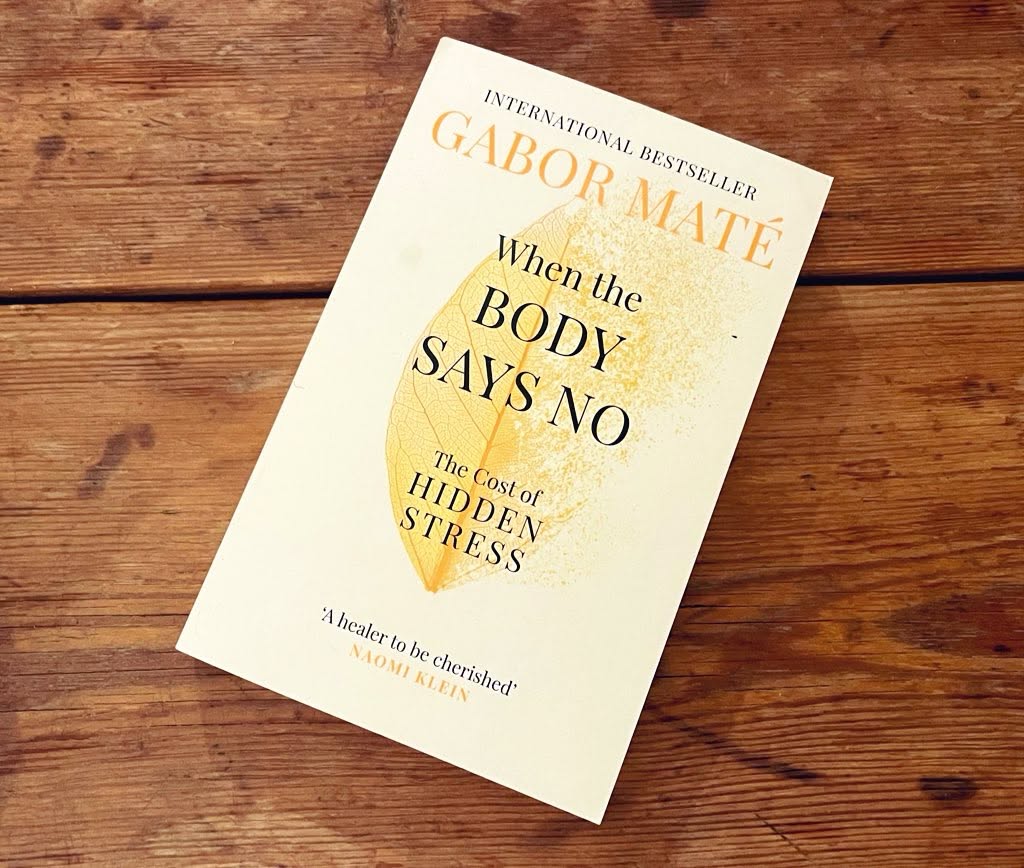
Introduction
Gabor Maté explores the profound relationship between mind and body — specifically, how repressed emotions and chronic stress manifest as physical illness. It's a book that bridges the gap between what traditional medicine once understood and what modern medicine has largely forgotten.
The Lost Connection
Traditional medicine was holistic. The ancient physicians understood that the mind and body were inseparable. Modern medicine, in its pursuit of specialization and measurable outcomes, has largely overlooked this connection. Maté argues that we've paid a heavy price for this oversight.
The cases he presents are striking. Patient after patient with chronic or terminal illness shares a common pattern: a lifetime of suppressing their own needs, ignoring their own emotions, and prioritizing others to the point of self-destruction.
Boundaries and Disease
One of the most powerful ideas in this book is the link between boundary violations and chronic disease. People who consistently fail to set boundaries — who say yes when they mean no, who absorb other people's stress, who suppress anger and resentment — are significantly more likely to develop serious illness.
When you don't say no, your body eventually says it for you. That's the central thesis, and Maté backs it up with both clinical evidence and deeply human stories.
The Three Factors of Stress
Maté identifies three key factors that make stress toxic:
- Uncertainty — not knowing what's coming
- Lack of information — not understanding your situation
- Loss of control — feeling powerless to change anything
When all three converge, the body's stress response becomes chronic rather than acute. And chronic stress is where disease begins.
Differentiation and Health
Maté introduces the concept of differentiation — the ability to maintain your own identity and boundaries while remaining connected to others. Greater differentiation equals better health. People who lose themselves in relationships, who can't distinguish their own needs from others', are the ones most at risk.
He makes a counterintuitive point about guilt and resentment: many people feel guilty about feeling resentful. But resentment is a signal — it tells you a boundary has been crossed. Honor your urges. Listen to what your body is telling you before it has to scream.
📺 Video Review
💡 Key Takeaway
Honor your urges. Set boundaries. Greater differentiation — the ability to be yourself while staying connected — is not just good psychology, it's good medicine. When you chronically suppress who you are, your body keeps the score.
⚖️ Verdict
When the Body Says No is an eye-opening wake-up call about the mind-body connection. Maté writes with the authority of a physician and the compassion of someone who genuinely cares about human suffering. This book will change how you think about stress, illness, and the price we pay for emotional repression.
Essential reading for anyone interested in health, psychology, or understanding why some people get sick and others don't.