Sociopath: A Memoir
A diagnosed sociopath tells her own story - from stealing cars to earning a PhD in clinical psychology.
What Do We Have Here
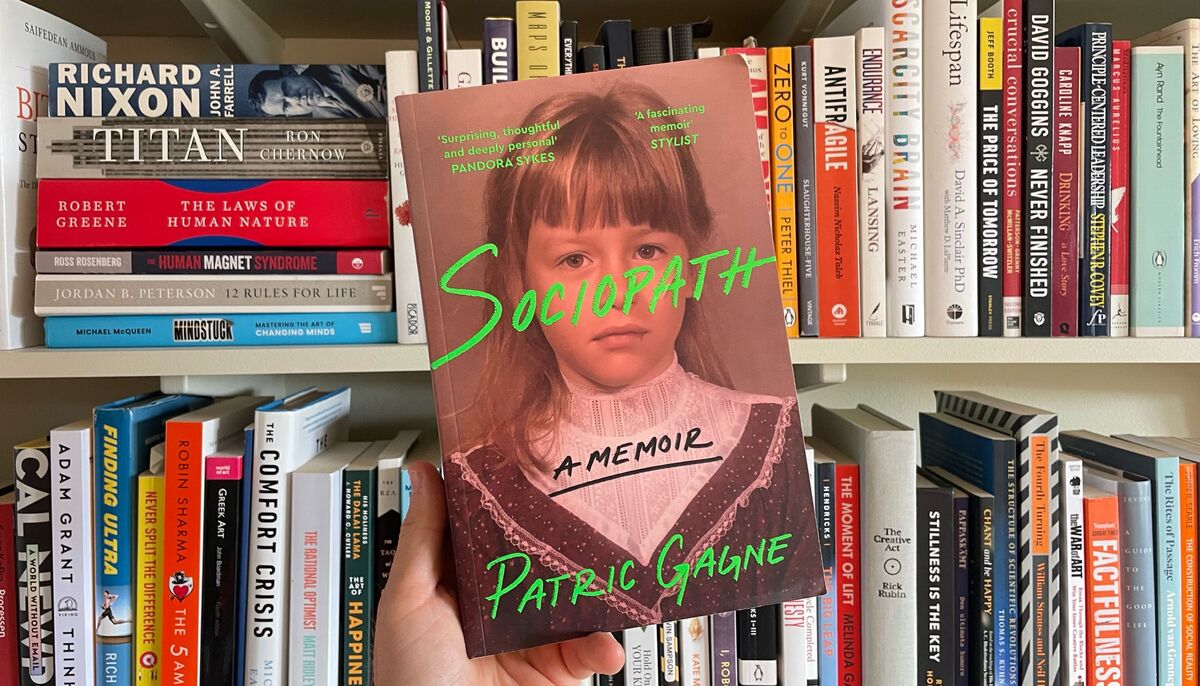
This book is a memoir written by a diagnosed sociopath who also has a PhD in clinical psychology. That of course intrigued me, as a student of human nature and psychology, and I picked it up immediately on release.
In the book we get to follow Patric from her early years to adulthood. She knew that something was off with her ever since kindergarten.
Patric Gagne has spent most of her life fighting terrible urges. She felt a pressure building up inside. A sense of unease that she couldn't escape. Luckily she knew of a cure: to hurt people or go on mischievous adventures.
She knew it would work because she had discovered this antidote when she almost out of the blue attacked a classmate with a pen in school. Afterwards she felt relaxed.
She promised herself to stop hurting people though. She understood that it was not okay, so she used other ways to get her relief: stealing cars and driving around, breaking into people's houses and just hanging around in them.
"Your friends would probably describe me as nice. But guess what? I can't stand your friends. I'm a liar. I'm a thief. I'm highly manipulative. I don't care what other people think. I'm capable of almost anything."
The book is a story about self-acceptance and finding a way to live a "normal" life in a world that doesn't accept or understand you.
📺 Video Review
We Can't Fully Know a Person
We all work so differently. During the pandemic I had an epiphany about how other people experience the world. One of my children has some trouble with food. And when my taste was altered after the pandemic - onions tasted so strong, eggs tasted like rotten flesh - I experienced what he must experience when trying to eat those foods.
The lesson is that we can't fully know a person. Personal experience is the way to develop full empathy.
Learning to Be Social
An interesting takeaway from the book is that even if you're not naturally social, you can learn social cues and it can help you a lot.
"I didn't need to feel anything to react as if I did."
She mimicked the correct behavior. She picked up mannerisms from people she observed at parties and practiced them in front of the mirror. Mastering the skills of social interactions meant that people started to feel comfortable in her company and it led to social inclusion. She felt more integrated.
That there was nothing authentic about her manners didn't matter for her.
It's also interesting that she finds relief in finding likeminded people where she could feel relaxed and not have to try to fit in. This might be why dysfunctional people are drawn to each other: looking for acceptance.
💡 Key Takeaway
Even if you're not naturally wired for social connection, you can learn the skills - and those skills open real doors. Also: we can never fully understand another person's inner experience. Personal experience is the path to real empathy.
⚖️ Verdict
I enjoyed this book. If you enjoy memoirs like Educated by Tara Westover, this might be right up your alley.
But this book is lacking a "hero's journey" narrative. How she set out on a journey against impossible odds, overcame her challenges, slew the dragon and returned a hero. The book has aspects of that but maybe not enough to spellbind every single reader.
Where this book will play an important role is if you have a special interest in sociopathy. If you are a practicing therapist, or you have suspicions that you might fall on the sociopathy spectrum, or if you suspect someone close to you of being a sociopath.
The book will help you find more empathy for the struggle of sociopaths. A subgroup of the population that is often misunderstood and vilified by default.
Disclaimer: There are rumors going around about Patric lying about her credentials and other things in this book. The conclusion about this is not set yet. But if that was true, it would almost make the story even more interesting.