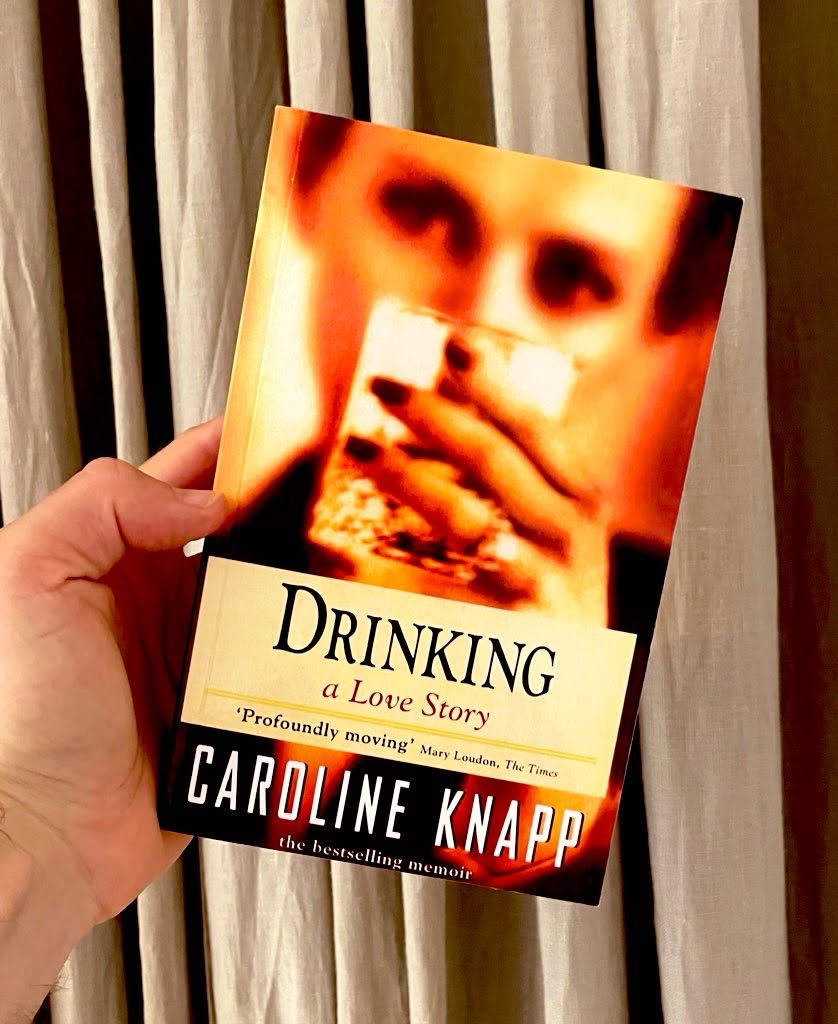
Drinking: A Love Story
The most common kind of alcoholic is the one nobody suspects.
The Alcoholic You Don't See
When you hear the word "alcoholic," you probably picture a man on a park bench — too drunk to notice he's peed his pants, and too disconnected from reality to care even if he did. But there's another type. Caroline Knapp was a high-functioning alcoholic — the kind who can maintain jobs, relationships, and an outward appearance of having it all together while slowly drowning.
She was raised in an upper-class family and had her first drink at the age of 15. Over the next 20 years, her relationship with alcohol went from a little bit of flirting to total abuse. And it all happened so gradually that she barely even noticed. But getting out? That was an entirely different story.
The Equation
Knapp captures the mechanics of addiction with devastating clarity. At its core, the equation is simple:
"Discomfort + Drink = Comfort."
Alcohol turned her into someone she liked. The advertisements say it: drinking transforms you. And it does. It melts down the parts of you that hurt or feel distress. It makes room for another self to emerge — one that is new, improved, and less conflicted. And after a while, drinking becomes essential for the development of that version. Without the drink, you're version A. With it, you're version B. And you can't get from A to B without it.
📺 Video Review
The Illusion of Feeling
One of the most paradoxical observations in this memoir is about drinking alone:
"The paradoxical thing about drinking alone is that it creates an illusion of emotional authenticity, which you can only see is false in retrospect. Liquor seems to be the only thing that allows access to your own feelings."
Knapp describes the restlessness of the solo drinker — the "drink and dial" impulse, where you get so restless drinking alone at home that you call people in an appropriate time zone who might be awake, just to dampen the loneliness. Or sitting on the couch watching Oprah: "Oprah that day was about mothers stealing their daughters' boyfriends and I remember it made me feel a little better watching other people fuck up their lives."
Arrested Development
Perhaps the most sobering insight in the book is about what alcohol does to your growth as a person:
"You stop growing when you start drinking alcoholically. The drink stunts you, prevents you from walking through the painful life experiences that take you from point A to point B on the maturity scale."
When you drink to transform yourself — to become someone you're not, over and over again — your relationship to the world gets muddy. You never learn to sit with discomfort, to push through the hard stuff, to grow up. The alcohol does it for you, and it charges compound interest.
The Healthy Choice Hurts
In recovery, Knapp discovers a painful truth about choices:
"If it's warm and fuzzy and comfortable and protective, it's probably the alcoholic choice. If it feels dangerous and scary and threatening and painful, then it's probably the healthy choice."
And when you stop drinking, something shifts. You stop waiting. You realize no one is coming to do all those hard and challenging things for you. You start living your own life.
💡 Key Takeaway
We all have some experience with unhealthy drinking habits — either directly or indirectly. This book familiarizes you with the most common, but least talked about, version of alcoholism: the kind that hides in plain sight. It helped me see subtle signs of alcoholic behaviors that I previously brushed off as drunken quirks and oddities — in both myself and others.
⚖️ Verdict
A sad, touching, and beautifully written memoir. If you or someone close to you has a sketchy relationship with alcohol, this book might help you put a finger on what's really going on. It won't preach at you — Knapp simply tells her story with raw honesty and lets you draw your own conclusions. Deeply personal and quietly educative.