In the Realm of Hungry Ghosts
All problems are psychological, but all solutions are spiritual.
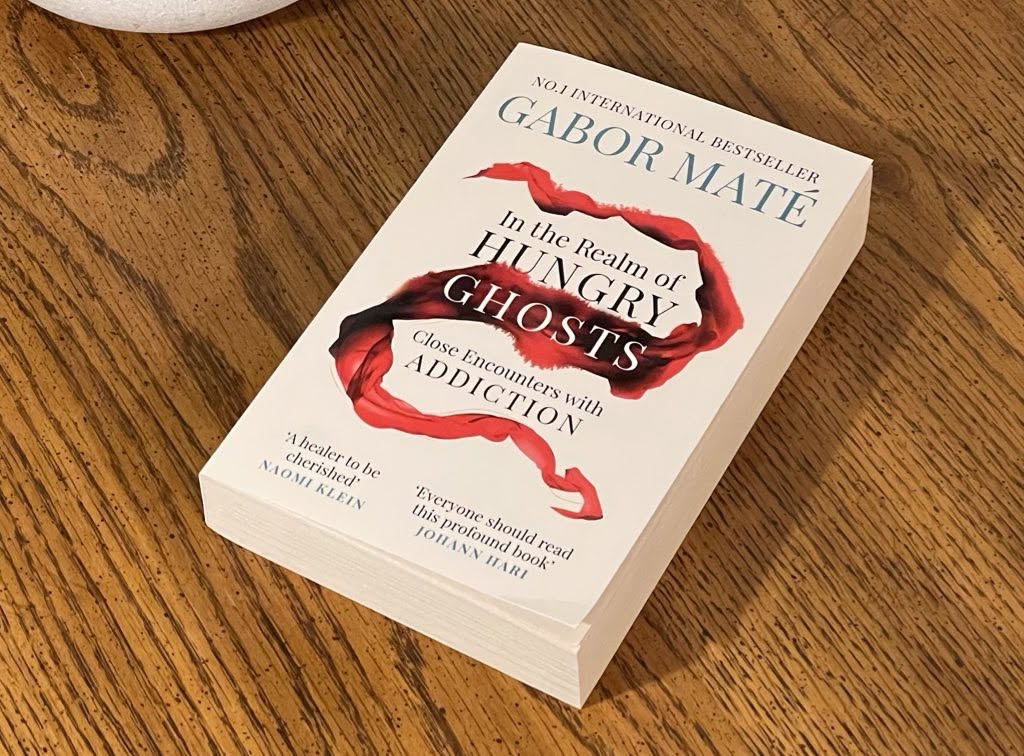
The Best Introduction to Addiction
Dr. Gabor Maté is one of the world's leading voices on addiction, and this book is his masterpiece. In it, he offers powerful portraits of his patients' lives in Vancouver's Downtown Eastside — one of the most concentrated areas of drug use in North America. But this isn't just a book about heroin addicts. It's a book about all of us.
Maté shares his own addictive behaviors alongside his patients' stories, examining the causes of addiction and breaking down the path back to recovery. He opposes the weight society puts on genetics as the main driver of addiction, pointing instead toward stressors in early childhood — sometimes even prenatal stress — as the primary risk factor.
Proximal Separation
One of the most striking concepts in the book is what Maté calls proximal separation — parenting where you're physically present but mentally absent. The children who experience this often develop coping mechanisms early on: thumb-sucking, zoning out, tuning out. These children carry a bigger risk of being drawn to drugs and addictive behaviors later in life.
"As a rule, whatever we don't deal with in our lives, we pass on to our children."
Our unfinished business becomes the problem of the next generation. Maté identifies a deeper systemic issue here: parents — especially mothers — don't get the support they used to in the early years of raising children. He considers this a cataclysmic problem and blames it for the rise of conditions like ADHD.
"Only healthy, nurturing relationships with adults will prevent kids from getting lost in their peer world — a loss of orientation that leads rapidly to drug use."
Compassion Over Judgment
One of the most important arguments in this book is about judgment. Some people grew up in nurturing environments with the right circumstances for their brains to develop properly. Some people didn't. Think about that before you judge. Maté makes a compelling case that fighting a "war on drugs" is futile — what we need instead is compassion and understanding of the root causes.
📺 Video Review
💡 Key Takeaway
Regardless of what your addiction is — heroin, nicotine, alcohol, shopping, binge-watching TV, sugar, porn — the stories and research in this book will help shine a light on your own addictive behavior. That's incredibly valuable. The year I read this book, I quit two addictions: nicotine (snus, after two decades) and caffeine. 🚬☕️
⚖️ Verdict
One of my Favorite Books of 2018. This is the best introduction to the complex topic of addiction I've ever come across. Maté connects childhood trauma, neuroscience, and lived experience into something that feels both scientifically rigorous and profoundly human. It goes far beyond the usual "just say no" narrative. If you only read one book about addiction, make it this one.