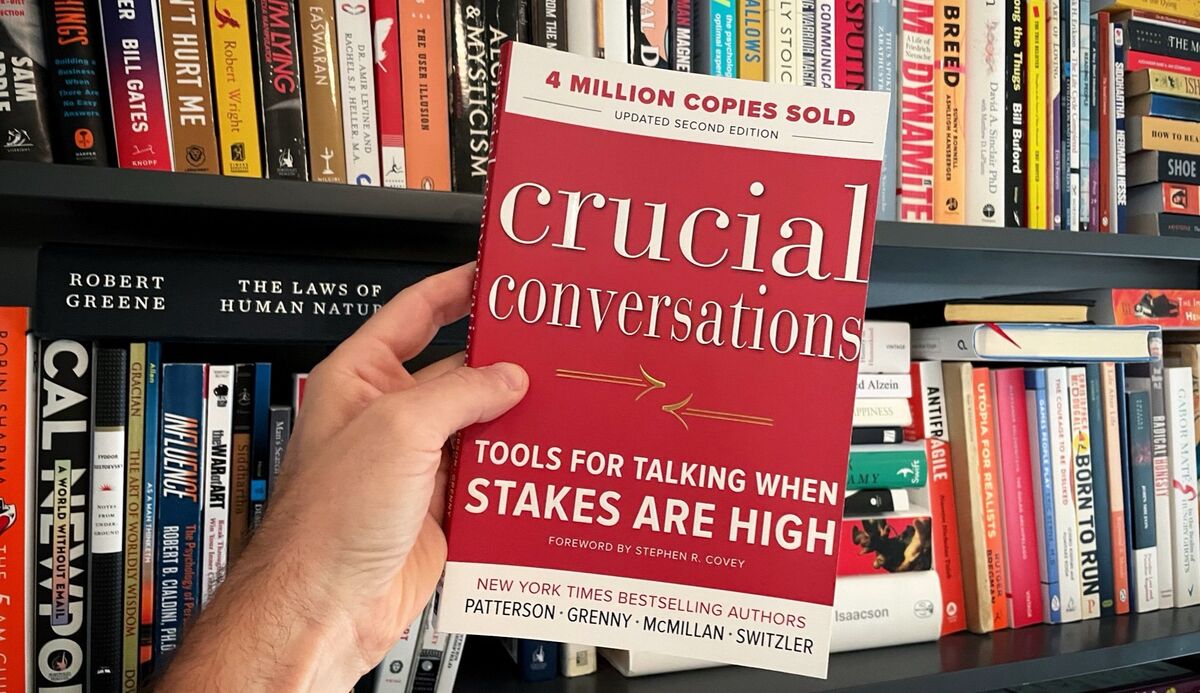
Crucial Conversations
You can either suffer the consequences of avoiding hard conversations, handle them badly, or learn how to communicate when it matters most.
What Makes a Conversation Crucial?
Crucial conversations can be found everywhere — unless you're actively avoiding other people and life in general. The options are often to avoid them or handle them poorly and suffer the consequences. It's better to learn how to communicate effectively so that you don't miss out on opportunities by messing up the important conversations.
So what makes a conversation crucial? A discussion turns crucial when three conditions collide: opposing opinions, high stakes, and strong emotions. That's when it matters most — and that's exactly when most of us are worst at communicating.
Key Themes
The Skill That Stuck
One skill I found extra useful is contrasting — where you explain what you don't intend before explaining what you do intend with what you're saying. It's a simple technique, but it defuses defensiveness before it even starts.
💡 Key Takeaway
Most of the book's content is common sense — but it's still incredibly hard to put into practice when the heat is on. If you want to improve your conversation skills, this is a solid read. Just come with some tolerance for buzzwords and overdone acronyms.
⚖️ Verdict
There's a lot of solid ideas in this book and it's hard not to come out of it a wiser communicator. What drags it down is the writing style — the excessive use of buzzwords and acronyms gets in the way. The ideas deserve better packaging. But even though I didn't agree with the style, there are still real lessons to be learned here. You just have to push through.
📸 Read These Next
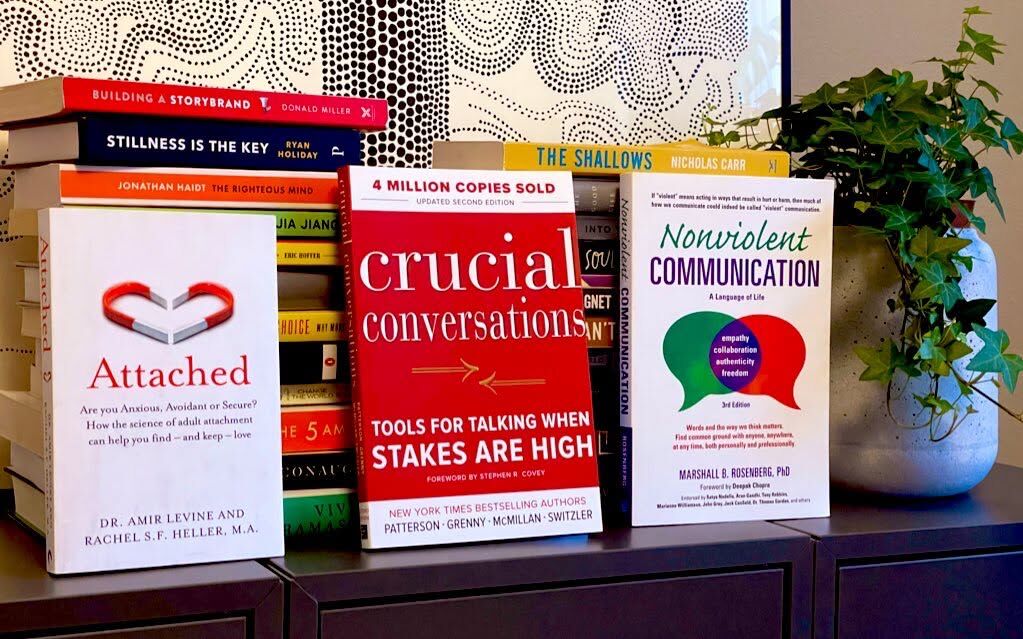
If you liked Crucial Conversations, I'd recommend checking out Attached by Amir Levine & Rachel Heller — it dives into attachment theory and how your attachment style shapes the way you communicate in relationships. And Nonviolent Communication by Marshall B. Rosenberg is a powerful framework for expressing yourself with empathy and finding common ground — even in the most heated conversations.