The Death of Ivan Ilyich
A 54-page gut punch about a man who did everything right — and realized too late that he lived all wrong.
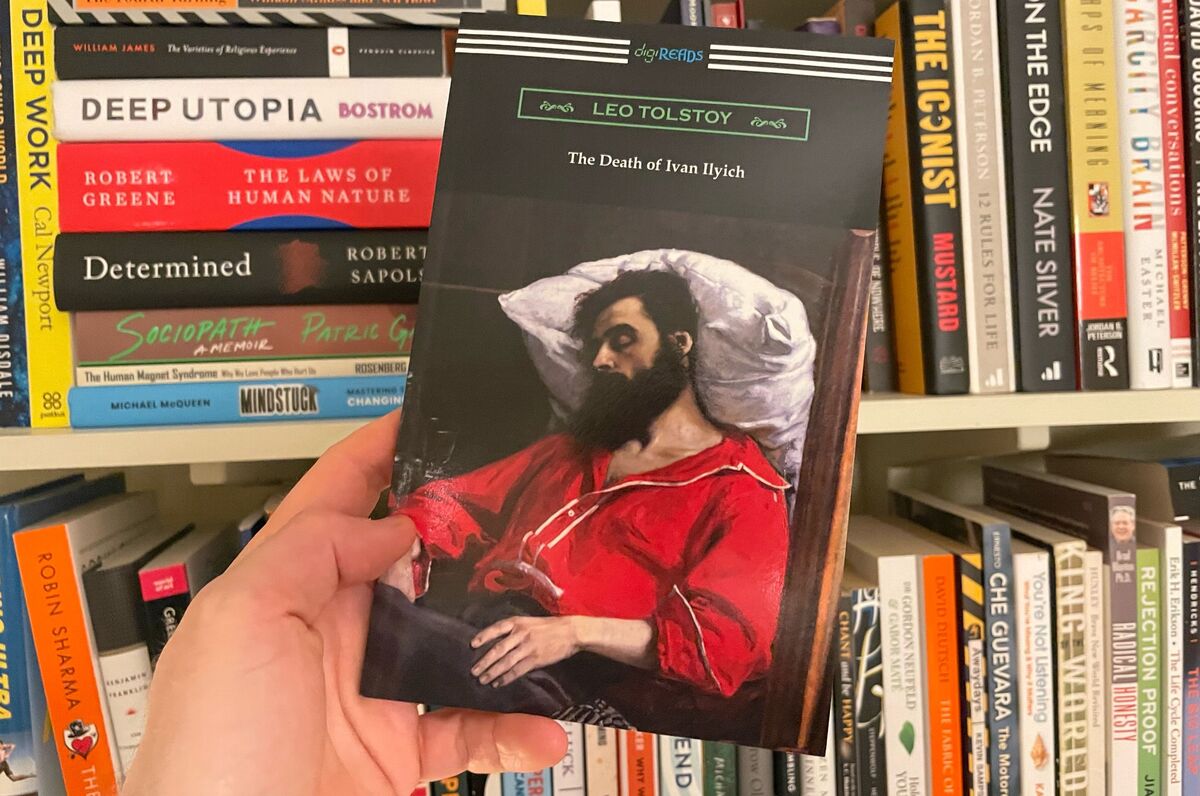
Today We're Going to Talk About Death
The Death of Ivan Ilyich is a powerful story about mortality, isolation, and the true meaning of life. Written in 1886, this short novella is a moving reflection on the human experience — and it offers some timeless lessons for how we face life and death.
At its heart, the story explores the reality of death and how we often avoid thinking about it. Ivan Ilyich, a successful and proper government official, lives a life focused on work, status, and appearances. But when he becomes terminally ill, his carefully constructed life begins to crumble. He realizes that his relationships are just shallow husks, and that his achievements don't bring him any lasting happiness.
"Can it be that I have not lived as one ought? But how not so, when I have done everything as it should be done?"
Tolstoy examines the themes of authenticity and superficiality — how Ivan's sudden illness forces him to confront the emptiness of his own existence. The story is both unsettling and enlightening, as it describes Ivan's suffering while revealing his moments of clarity.
The Feeling of Delight That He Had Died — and They Hadn't
One of my favorite scenes comes right at the beginning. Ivan is dead, and his acquaintances and business colleagues hear about the news. Tolstoy makes this very acute observation about human nature:
"The very fact of the death of someone close to them aroused in all who heard about it, as always, a feeling of delight that he had died and they hadn't."
This line reflects Tolstoy's observation of how people — even those quite close to the deceased — often experience an unconscious sense of relief, maybe even delight, that it was someone else who died and not them. Their immediate reaction is not one of deep sorrow, but rather a mix of formal expressions of regret and self-interested thoughts about how his death might affect their careers, their promotions, and their social standing.
Which reminds me of a line from Ernest Becker's The Denial of Death:
"One of the main reasons it's so easy to march men off to war is that deep down, each one of them feels sorry for the man next to him who will die. Each one protects himself in his fantasy — until the shock that he is bleeding."
📺 Video Review
We Feel Immortal — Until We Don't
Many of us feel immortal when things are going well. We only get vague hints — for instance when people around us get sick — that we will one day die. It's often not until we ourselves get really hurt, or when the doctor calls with bad news, that we realize the horrible fact that has been there all along. And we have to face the fundamental question: what is a life well lived?
I think one way to prepare ourselves is to read books like this, so that we can reflect on such questions before they become urgent.
I've been wanting to read Tolstoy for the longest time, but I've been intimidated by the size of his classics — War and Peace is 1,200 pages. If you want to start with something bite-sized, this is your book. It's only 54 pages. You can do it in an afternoon. I listened to it as an audiobook while driving across Sweden to meet my parents for Christmas, and it was a lovely experience.
Even though the book is short, its pages are full of meaning. Tolstoy's writing is striking, and his description of both the suffering and the spiritual crisis of Ivan Ilyich feels timeless — making for a book that really leaves a lasting impression.
💡 Key Takeaway
The book challenges you to reflect on what makes life meaningful. Is it external success — or is it something deeper? A great book for a reader who is ready to reflect on the big questions. Maybe you feel stuck in life and wonder what it's all about. This could give you some hints.
⚖️ Verdict
A novella that packs more existential weight into 54 pages than most 500-page books manage. Tolstoy strips away every comfortable illusion about status, achievement, and "doing things right" — and forces you to sit with the question that terrifies everyone: did I actually live? For anyone interested in human nature, this is time well spent.
💀 Go Deeper: Books About Death
This novella pairs perfectly with the nonfiction side of mortality — read it alongside The Denial of Death by Ernest Becker and On the Shortness of Life by Seneca.
Read the Article →