Into the Wild
A young man burned his cash, abandoned his car, and walked into the Alaskan wilderness to find himself. He never walked out.
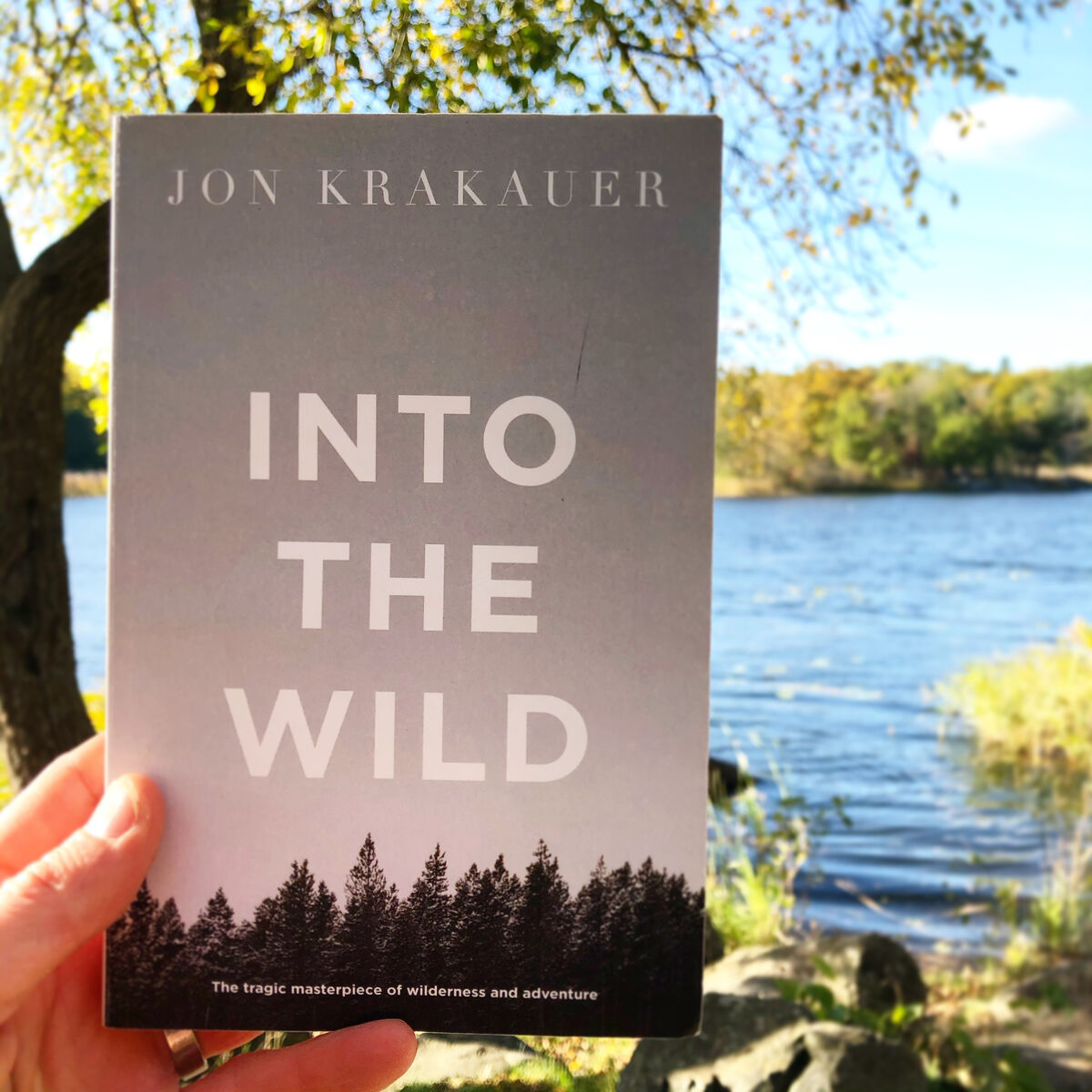
The Story
In April 1992, Christopher Johnson McCandless — a 24-year-old from a well-to-do Virginia family — hitchhiked to Alaska, walked into the wilderness north of Mt. McKinley, and set up camp in an abandoned bus. He had given $25,000 to charity, abandoned his car and most of his possessions, burned all the cash in his wallet, and reinvented himself as "Alexander Supertramp." Four months later, his decomposed body was found by a moose hunter.
Jon Krakauer originally covered the story as a magazine piece for Outside. The response was enormous — and divided. Some readers saw McCandless as a courageous idealist who followed Thoreau and Tolstoy to their logical conclusion. Others called him a reckless, arrogant kid who got himself killed through ignorance and hubris. Krakauer clearly identified with McCandless, and that personal connection is what makes this book so much more than true crime or adventure journalism.
The Restlessness
What grabs you first is the why. McCandless wasn't running from poverty or abuse in the traditional sense — his family was affluent, he graduated from Emory with honors. But there was a fracture underneath the surface. A family built on secrets and appearances. A father who led a double life. McCandless saw the hypocrisy and it repulsed him. He didn't want to reform the system — he wanted to walk away from it entirely.
There's something in that impulse that resonates with anyone who has ever looked at the conventional path — career, mortgage, status — and felt suffocated by it. McCandless took what most of us only daydream about and pushed it to its absolute extreme.
"So many people live within unhappy circumstances and yet will not take the initiative to change their situation because they are conditioned to a life of security, conformity, and conservatism, all of which may appear to give one peace of mind, but in reality nothing is more damaging to the adventurous spirit within a man than a secure future."
The Idealism — and Its Limits
Krakauer doesn't shy away from McCandless's flaws. The kid was brilliant but stubborn. He was deeply influenced by Tolstoy, Jack London, and Thoreau — but he romanticized their ideas without fully grasping their contexts. London wrote about surviving the wild from the comfort of his California ranch. Thoreau's "solitude" at Walden Pond was a twenty-minute walk from town, and his mother did his laundry.
McCandless took these ideas literally. He wanted the real thing — raw, unmediated nature. And nature, as it turns out, doesn't care about your philosophy.
📺 Video Review
What Krakauer Brings
The genius of this book is Krakauer's decision to weave in parallel stories — his own reckless attempt to solo-climb the Devil's Thumb in Alaska as a young man, plus accounts of other wanderers and wilderness seekers who met similar fates. These aren't digressions. They're mirrors. They show that McCandless wasn't a one-off anomaly but part of a pattern: young men driven by something they can barely articulate, seeking transcendence in the wild, flirting with death as a way to feel alive.
Krakauer's own admission — that he easily could have been McCandless — gives the book an emotional honesty that most journalists would never risk. He's not pretending to be objective. He has skin in this story.
The Tragedy
The hardest part of the book is knowing how it ends while watching McCandless make decisions that seal his fate. He enters the wilderness in April with a .22 rifle, a bag of rice, and a handful of books. He has no map. No compass. No way to know that the river he crossed easily in spring would become an impassable torrent in summer, trapping him on the wrong side.
His final journal entries — growing weaker, cataloguing the plants he was eating, the famous note he taped to the bus asking for help — are devastating. The last entry, simply "BEAUTIFUL BLUEBERRY," followed by the number of days he'd been alone, is one of the most haunting things I've ever read.
"Happiness only real when shared."
That's what McCandless wrote near the end. Some people find this statement profound. I'm not so sure. I think it's more a result of him starving to death, alone, in the wilderness than a deep philosophical insight. When you're dying, you want people around you. That's not wisdom — that's survival instinct.
Practical Lessons
Two things worth noting: don't go into the Alaskan wilderness without a map if you lack wilderness experience. And be careful with seeds — they can be poisonous even though the plant itself is edible. McCandless likely learned both of these the hardest way possible.
The Krakauer Gateway
Apart from forcing me to ask myself a lot of questions about how life ought to be lived, this book also introduced me to the author Jon Krakauer. I've now read three of his books — Into the Wild, Under the Banner of Heaven (about Mormonism), and Into Thin Air (about climbing Everest). Good stuff, all of it.
💡 Key Takeaway
This is a story that forces you to ask uncomfortable questions about how life ought to be lived. McCandless was disgusted by the rat race, the conformity, the addiction to security that defines the middle class. He wanted to find a truer way of living — the essence of the human experience. He went too far. But the questions he asked are worth sitting with.
⚖️ Verdict
An incredible story that stays with you long after you turn the last page. It reads like fiction and gives you a lot to think about. Krakauer writes with urgency and empathy, and he trusts the reader enough to form their own judgment about McCandless.
Into the Wild is essential reading for anyone who has ever felt the pull of something beyond the conventional path — and a powerful reminder of what happens when idealism meets reality without compromise.