How the Other Half Lives
A wakeup call from the 1890s that forced America's comfortable classes to confront the devastating inequality in their midst.
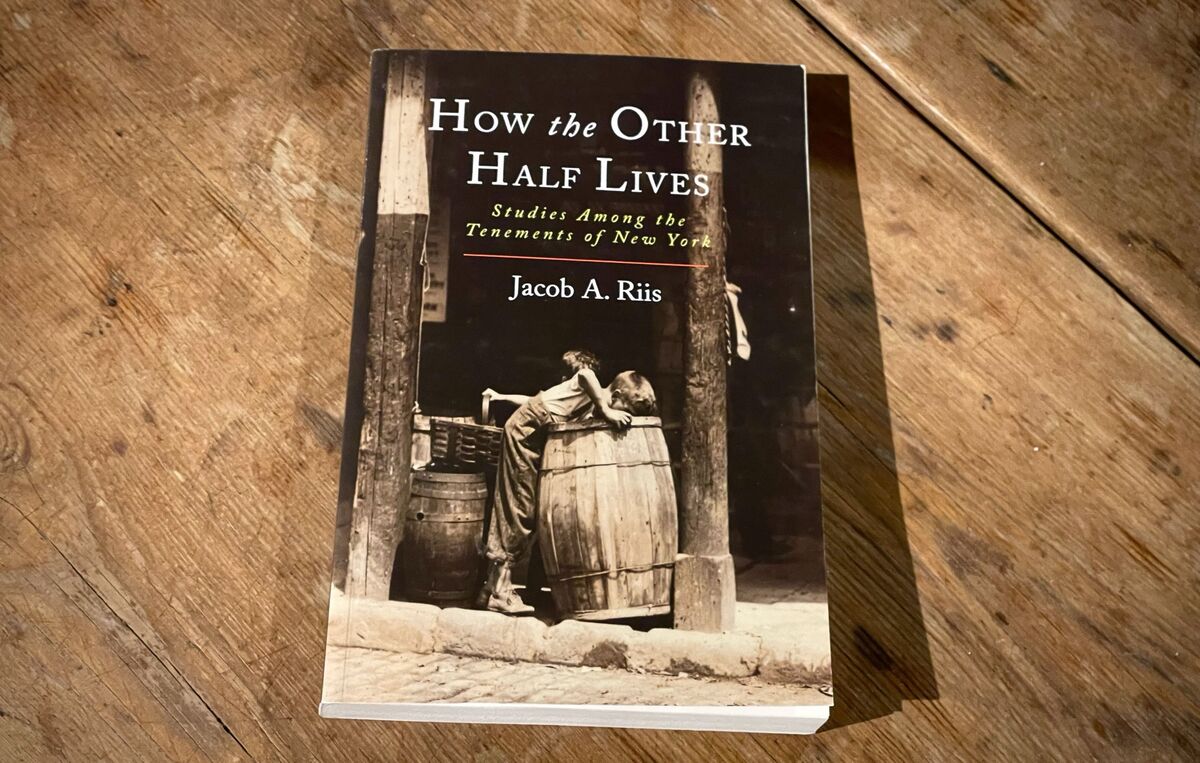
What Is This Book?
How the Other Half Lives is a landmark exploration of poverty and tenement life in New York City during the late 19th century. As one of the earliest works of photojournalism, this book doesn't only tell but also shows the conditions of the city's poor and its immigrant population, giving you a rare glimpse at the grim and deprived realities of urban life.
This is a wakeup call. It forces the upper and middle classes, often insulated from the struggles of the poor, to confront the devastating inequality in their midst. Riis exposes the inhumane conditions of these tenement houses, highlighting poor sanitation, overcrowding, and rampant disease.
Life in the Tenements
People lived in apartments without any windows, suffering from terrible air quality that caused child mortality to go off the charts. In these tenement houses, diseases that really shouldn't be a problem in a modern society flourished and killed people that would have otherwise thrived under different conditions.
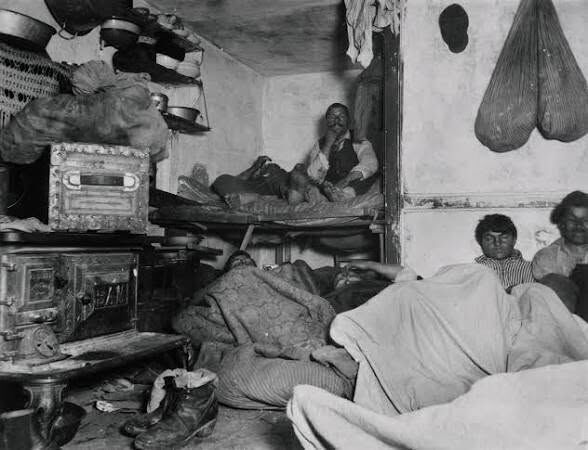
His message is clear: society must reform its treatment of the poor for the whole society to thrive. Riis combines investigative reporting with a sense of moral urgency. The tone is both compassionate and confrontational as he chronicles the lives of immigrant families crammed into tiny windowless rooms, struggling to survive on meager wages.
Each chapter reads like a vivid, often harrowing portrait of the different ethnic groups living in these tenement houses - the Italians, the Jews, the Chinese, the African-Americans, the Germans - each of them trying to navigate the horrors and depravity of these slums. And these are brutal places where people tried to make their lives work.
📺 Video Review
What Doesn't Translate
One thing I want to mention is that there are aspects of this book that don't translate very well into a modern context. It talks a lot about wages and rent prices, and for me - someone who is neither American nor lived in the early 19th century - it's hard to translate that into current dollars or current values. What is a $9 rent at that time compared to today? That's really hard to know, and the financial meaning of some examples in this book becomes difficult to grasp in modern terms.
The Bias Problem
The book is really gripping, but Riis's portrayal of these ethnic groups is not without flaws. Sometimes he comes off as quite patronizing and often with a prejudiced view of the people he actually wants to help. He often falls into stereotypes, describing the communities he portrays as either dirty or criminal. This just shows the biases of the time.
But if you have any sense of history and can keep two ideas in your head at the same time - and I know that viewers of this channel can - then you understand that we can't superimpose 21st century values on people who lived over 100 years ago. I actually think the decision to keep this book in its original writing and not alter it adds to the experience of reading it, because it allows us to be teleported to a different time and a different place. Even though some descriptions might feel a bit outdated to modern ears, I'm pretty happy they kept it as it was originally.

The Power of Photography
It's not only the descriptions of these brutal slums that made this book famous - it's also one of the first works of photojournalism. And if you get this book, don't do it like me: I bought it without the pictures and had to Google them separately. One of the reasons this book made such a huge impact is because you can not only read about the situation, you can actually see the pictures.
This book had a huge impact and actually helped push reforms to clean up and improve the situation for New York's poor.
💡 Key Takeaway
This book doesn't only ask us what we owe our fellow citizens - it challenges us to reshape the way we see them. Riis, through his lens, makes us grapple with questions of inequality and other uncomfortable truths. And that's what makes this book endure.
⚖️ Verdict
I enjoyed this book. I read it as an audiobook and got swept away into a different place and time. I enjoyed the narrative. I got frightened by the stories. It's a book well worth your time - and if you're going to get it, get one with the photos inside.