I Read 300+ Books — These 8 Will Change Your 20s
I didn't start reading seriously until my early 30s. Now, over a decade and 400+ books later, I've run into a few that I wish I'd read earlier — not because they made me smarter, but because they would have changed the way I moved through the world while I was still trying to figure things out.
Your 20s is when you're building your foundations: habits, worldview, relationship with work, meaning, and other people. These eight books address exactly those things. All eight are books I rate five out of five — or very close to it.
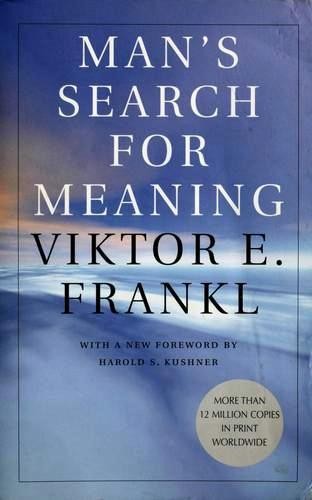
1. Man's Search for Meaning
Every twentysomething asks: what's the meaning of it all? This book has the answer. Viktor Frankl survived devastating Nazi concentration camps and came out the other side with a simple, devastating insight: meaning isn't something you find — it's something you choose.
Even in the darkest circumstances imaginable, purpose is available to anyone willing to look for it. If you're grappling with the big questions for the first time — career, identity, why any of it matters — Frankl offers no platitudes. He offers proof that meaning can exist anywhere, even in suffering. This book crushes nihilism at its root.
Get on Amazon →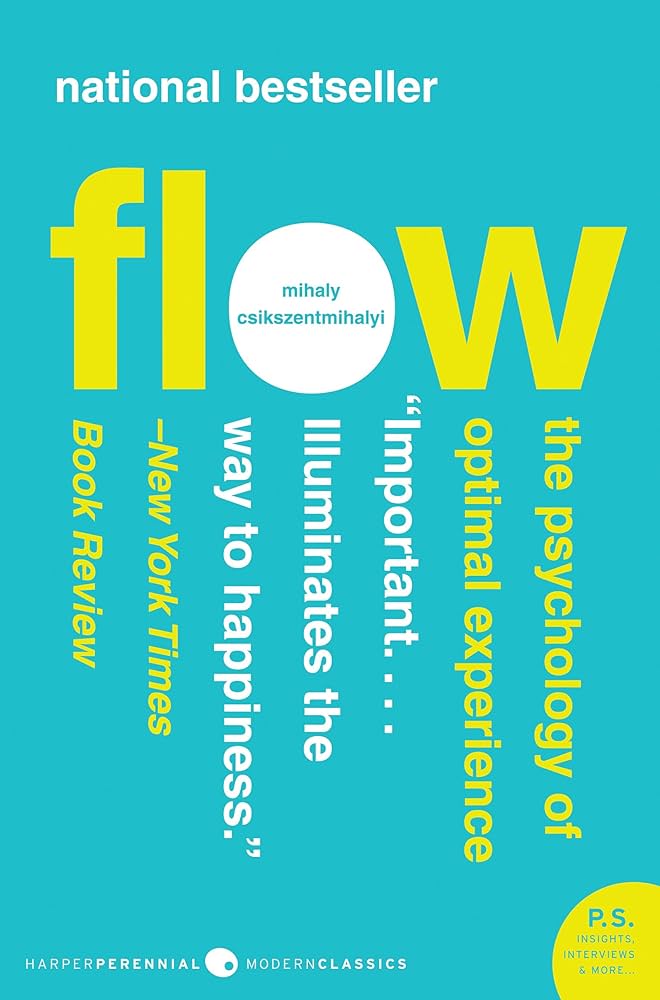
2. Flow
A lot of people are looking for happiness in the wrong places. Csikszentmihalyi found that it's more important how you do something than what you do. Engagement is everything.
Flow is a state of complete involvement — no ego, total focus, time disappearing — and it can be cultivated in any activity. The key insight: turn everything you do into a game. Clear objectives, immediate feedback, matched challenges. These are the same things that make life satisfying. Think of life as a vast RPG and you're leveling up your character.
Get on Amazon → Read Review →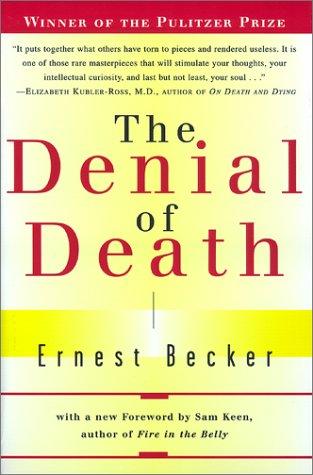
3. The Denial of Death
Here's the thing no one tells you in your 20s: you're going to die, and you know it — but you don't feel it. Your brain buries that truth so you can get through the day. And that buried terror? It quietly drives almost everything you do.
Becker's argument is simple and devastating: because we can't live with the reality of death, we build something to make it manageable — a career, a cause, a religion, a flag. He calls it the "vital lie." It's the story we tell ourselves so the terror doesn't crush us. And his core insight will stick with you forever: we are "gods with anuses" — minds that can imagine infinity, trapped in bodies that decay. That tension explains our need for heroism, our fear of being ordinary, and most of the weird things humans do.
Anxiety is the possibility of freedom.Get on Amazon → Read Review →
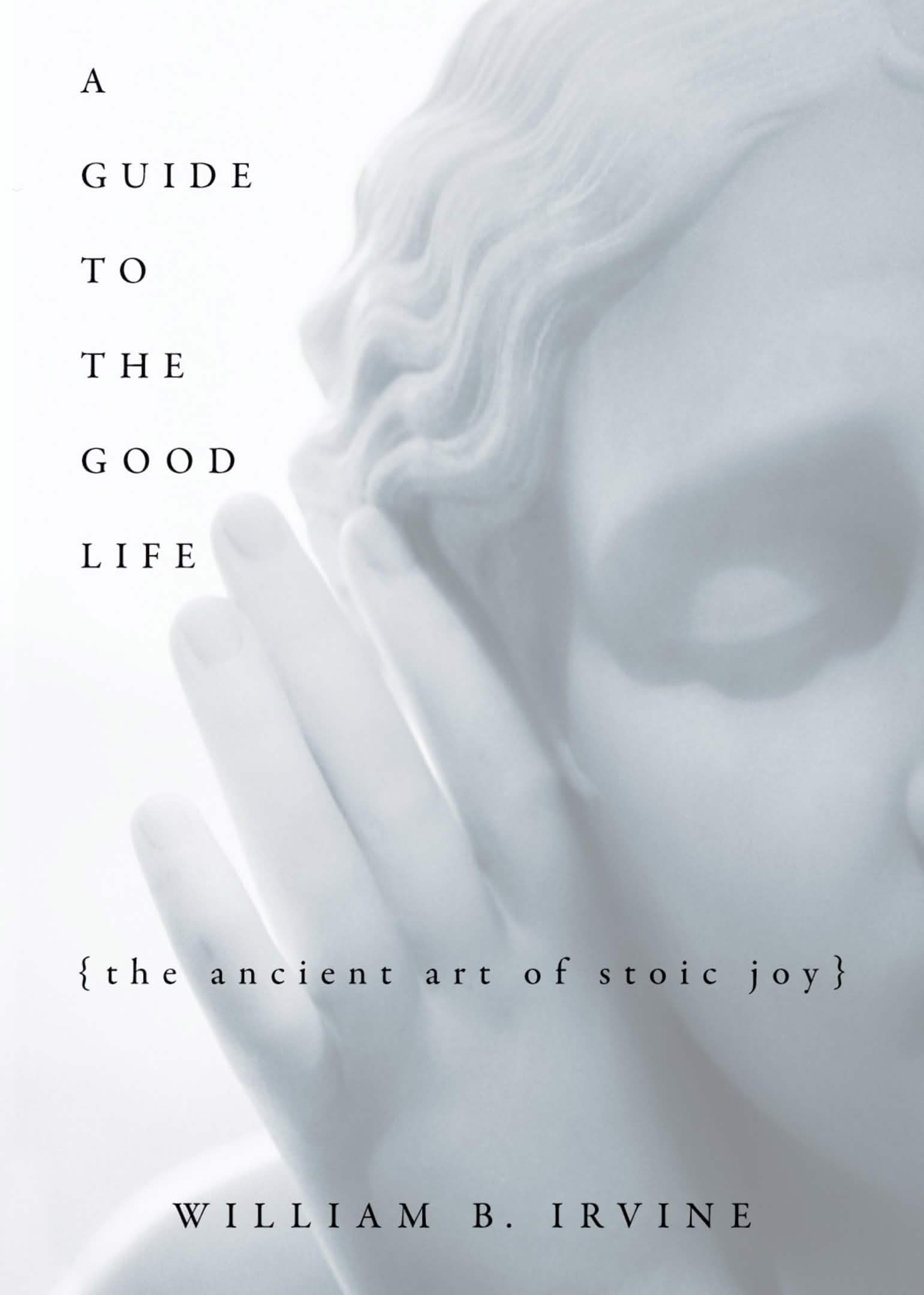
4. A Guide to the Good Life
The most accessible onramp for Stoicism — and your 20s is when you need it most. That's when life is full of drama, career stress, breakups, social comparison, financial anxiety. Stoicism is the antidote, and this book is the best way in.
Irvine translates the ancient Stoics — Seneca, Marcus Aurelius — into practical tools for modern life: negative visualization, the dichotomy of control, how to deal with setbacks, insults, and desire. Once the Stoic framework clicks, everything becomes easier: rejections, bad bosses, failures, uncertainty — all of it.
Get on Amazon → Read Review →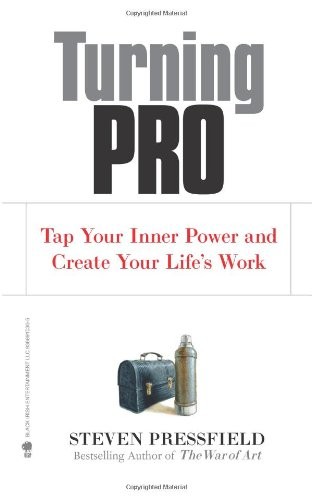
5. Turning Pro
A kick in the ass to stop dabbling and start committing. Pressfield draws a sharp line between the amateur and the professional: the amateur is addicted to comfort, while the professional shows up every day, does the work, and doesn't wait for inspiration.
Sometimes I don't want to make videos and book recommendations — I'd rather sit on the balcony with a piña colada. But I'm committed to this and I do it every week regardless of how I feel. That's what I learned from this book: creativity is more about routine and commitment than having the muses on your side. You can read it in an afternoon, but you'll feel it for years.
Get on Amazon →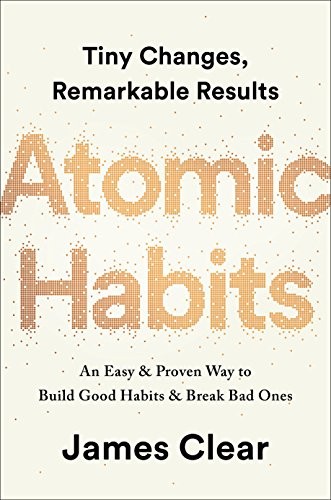
6. Atomic Habits
Your habits in your 20s literally build the person you become in your 30s. This book shows how the compound effect of tiny changes is the most powerful force in personal development — and in your 20s, the runway is longest.
Clear's framework is simple and elegant: make good habits accessible, attractive, easy, and satisfying. Do the opposite for bad habits. Design your environment so it's easy to do the right thing and hard to do the wrong thing.
You don't rise to the level of your goals — you rise to the level of your systems.Get on Amazon →
7. The Almanack of Naval Ravikant
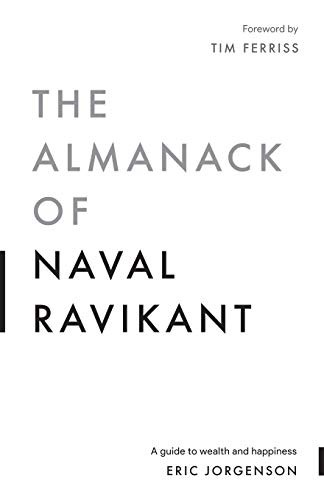
When I first heard about this book, I thought it would be another mediocre ego-boost from some CEO. Instead, it's a treasure trove of wisdom. Naval's concept of specific knowledge changed how I think about career building: what feels like play to you but feels like work to others? Answer that, and that's your edge.
For me, it was game development and books. For you, it might be something entirely different. The point is to stop competing and start being authentically, undeniably yourself. This book covers how to build relationships, build wealth, become a lifelong learner — it's a small time investment with a massive payoff.
Get on Amazon →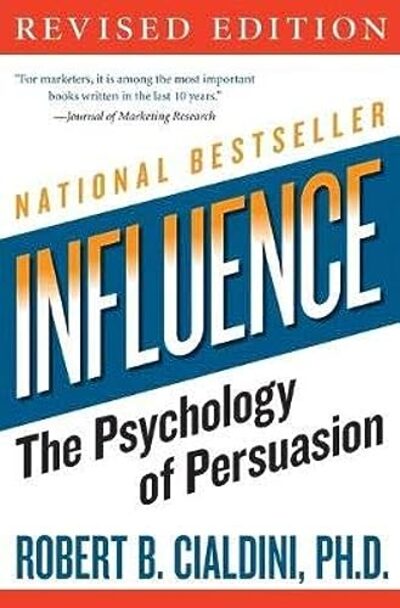
8. Influence
I always say this book should be mandatory in schools. It shows you how people influence you — and how you can influence people. Every day you're bombarded with attempts to sway you. If you learn about the cognitive biases, heuristics, and mental shortcuts your brain takes (and how they can be exploited), you can actually protect yourself.
This is a five out of five book. It's mandatory reading to fully understand the world. It's also fun — the examples are amazing. If you don't know all your cognitive biases, read this book. It's going to help you for the rest of your life.
Get on Amazon →